


ART THERAPY FOR ADULTS
Providing art therapy for adults in Gaithersburg, Maryland, who are navigating grief, loss, anxiety, depression, trauma, emotional overwhelm, identity shifts, burnout, and major life transitions.
When words are not enough, support is still possible.
Supporting Adults Through Grief, Anxiety, Depression, and Life Transitions
When Everything Feels Too Much to Carry
Life does not always feel manageable. Your responsibilities, relationships, work, family, and the emotional weight of daily life take a toll; life can become overwhelming, especially when grief, loss, trauma, anxiety, depression, or major life transitions are present.
For many adults, this can feel like:
Increasing responsibilities and accountability
Greater emotional demands and less mental bandwidth
Shifting relationships with partners, family, friends, or work
Questions of identity, purpose, or direction
Sense of losing control, focus, or perspective
Pressure to keep functioning while feeling overwhelmed internally
Emotional exhaustion, burnout, tiredness, and fatigue without a cause
Living in a state of uncertainty and unsettling feelings about today’s world
Life may feel intense, uncertain, or emotionally draining, even when you are “keeping it together” on the outside and feeling burdened on the inside. Sometimes everything feels like too much to carry.
Work, relationships, family, and even your sense of self can start to feel distant. Things that once felt meaningful or a priority no longer are. You might feel tired, numb, anxious, angry, shut down, or disconnected.
You may be going through the motions while feeling like no one truly sees or understands what you are carrying, and a part of you may be longing for relief, clarity, or space to breathe.
You do not need to have the right words here. You do not need to explain everything perfectly.
Art therapy offers a space to slow down, express what is happening internally, and begin building emotional clarity, regulation, and resilience.
How Art Therapy Supports Adults
Creative Expression for Compassion, Trust, & Growth
Art therapy offers another way, through creativity, imagery, and conversation at your own pace. This creates space to explore what feels difficult to put into words and supports you in making sense of your internal experience without pressure or judgment.
There is no expectation to perform, fix yourself, or be “good at art.” This is a space to simply show up as you are—even when things feel unclear, heavy, or overwhelming.
Art therapy can help you begin to understand over time:
What has changed
What you are carrying emotionally, mentally, and physically
What healing, growth, and meaning-making may look like
When You’re Carrying Rocks Up A Hill
When grief, trauma, anxiety, depression, or major life transitions are present, everyday life can feel significantly more difficult.
Adults may experience:
Withdrawal, emotional shutdown, or avoidance
Staying busy, over-functioning, or remaining productive while struggling internally
Irritability, emotional overwhelm, feeling on the verge of a nervous breakdown
Disconnection from relationships or self
Low motivation or burnout
Changes in friendships or support systems
Loneliness or feeling misunderstood
These experiences often reflect a deeper need for safety, support, and a space to process what is happening internally.
Why Grief and Loss Can Feel So Overwhelming
Grief and loss are overwhelming. The mind, body, and heart are all affected by the impact. Many people experience secondary losses while grieving, which can feel disorienting, unsettling, and painful.
Learn more about Art Therapy for Grief and Lossif you are navigating bereavement, significant life changes, or the emotional impact of loss.
Art therapy provides a supportive, trauma-informed space to explore grief, loss, and emotional experiences through both creative expression and reflection.
Through this process, you can begin to understand:
What has changed
What can heal and grow
What you are carrying emotionally, mentally, and physically
How to move forward in a way that feels more grounded, centered, and manageable.
New to art therapy? Learn more about What Is Art Therapy? and how creative expression supports emotional healing, self-understanding, and personal growth.
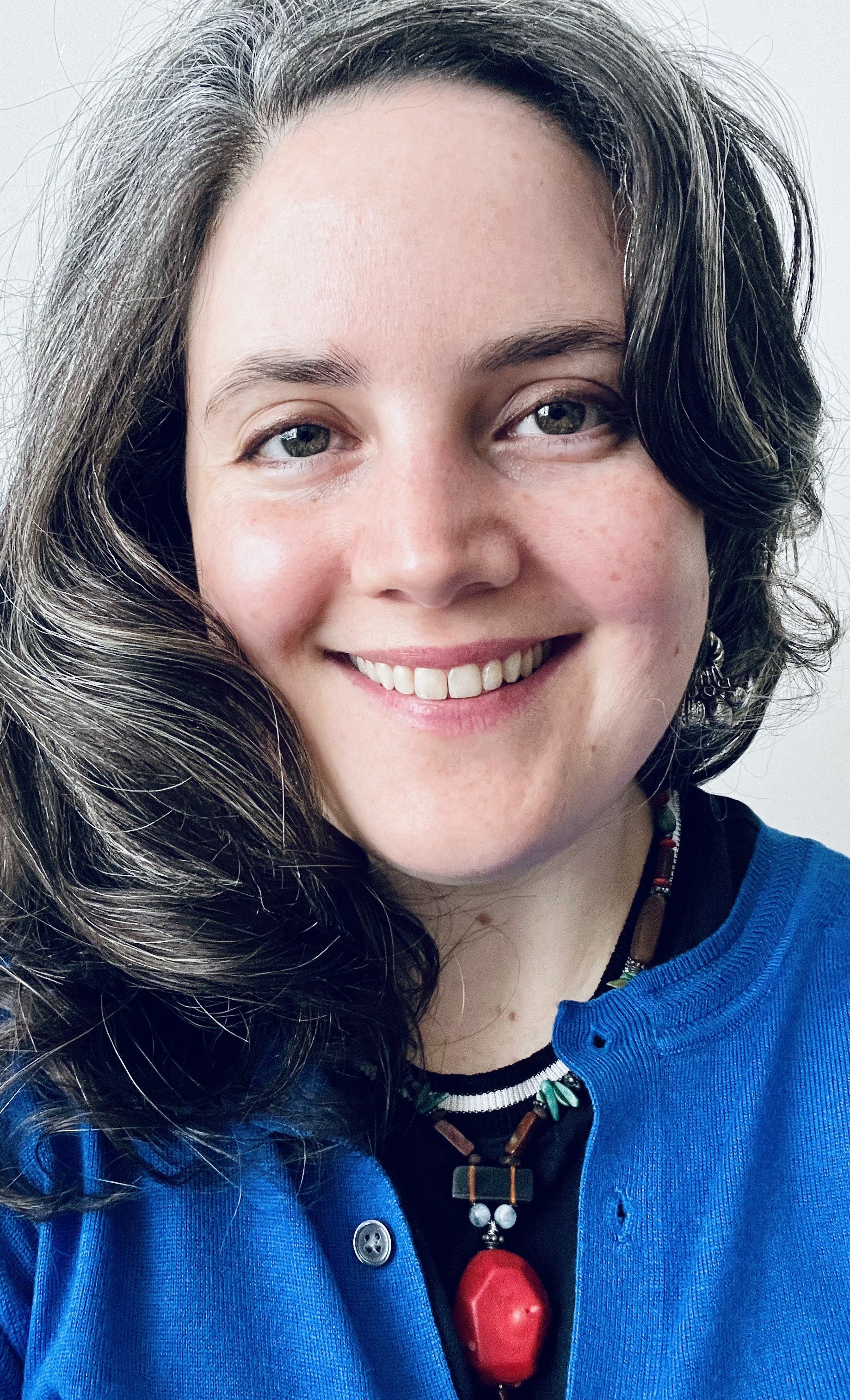
Meet Your Art Therapist
Hello, I am Lindsay Downs, a Licensed Clinical Professional Art Therapist and Board-Certified Art Therapist (LCPAT, ATR-BC®) with over 7 years of experience supporting individuals through grief, loss, trauma, and life transitions.
While art therapy is often associated with children, it is a powerful, evidence-based form of psychotherapy for individuals of all ages. Many adults find that creative expression helps them access and process grief, stress, trauma, and life experiences that can feel difficult to put into words alone.
I offer in-person art therapy for children and tweens, teens, and adults in Gaithersburg and Montgomery County, Maryland, with a specialization in grief and loss. My work supports clients in reconnecting with themselves, building emotional safety, and moving at a pace that feels supportive, grounded, and sustainable.
Learn more about my approach, philosophy, and professional qualifications.
What an Adult Art Therapy Session Looks Like
Make Sense of What You’re Carrying
A typical session is flexible and guided by what you need in the moment, and we build from a foundation as we collaborate and work together.
Sessions may include:
A brief check-in about how things have been since the last session or continuing the work from a previous session
Exploring what feels most present, heavy, or important
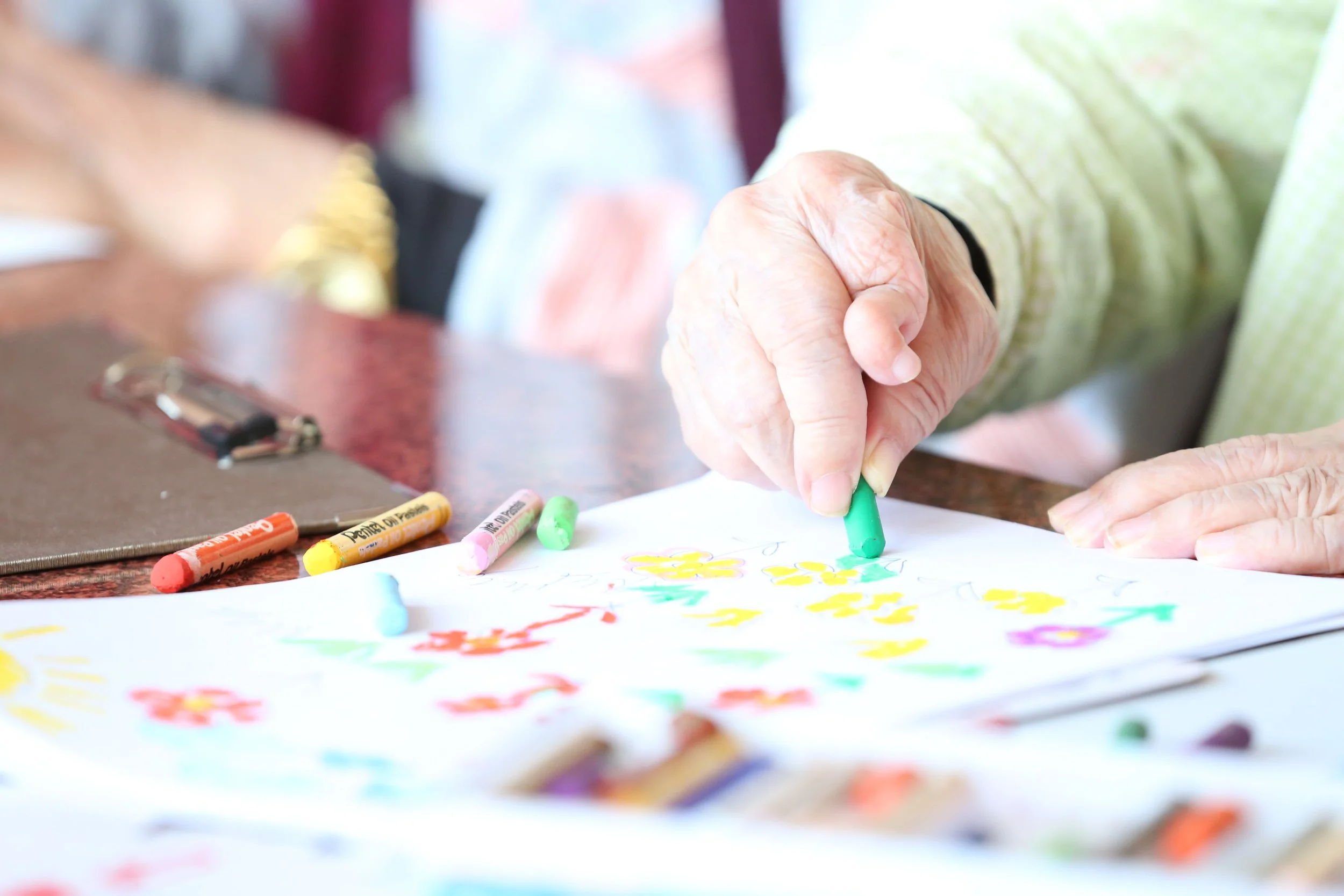
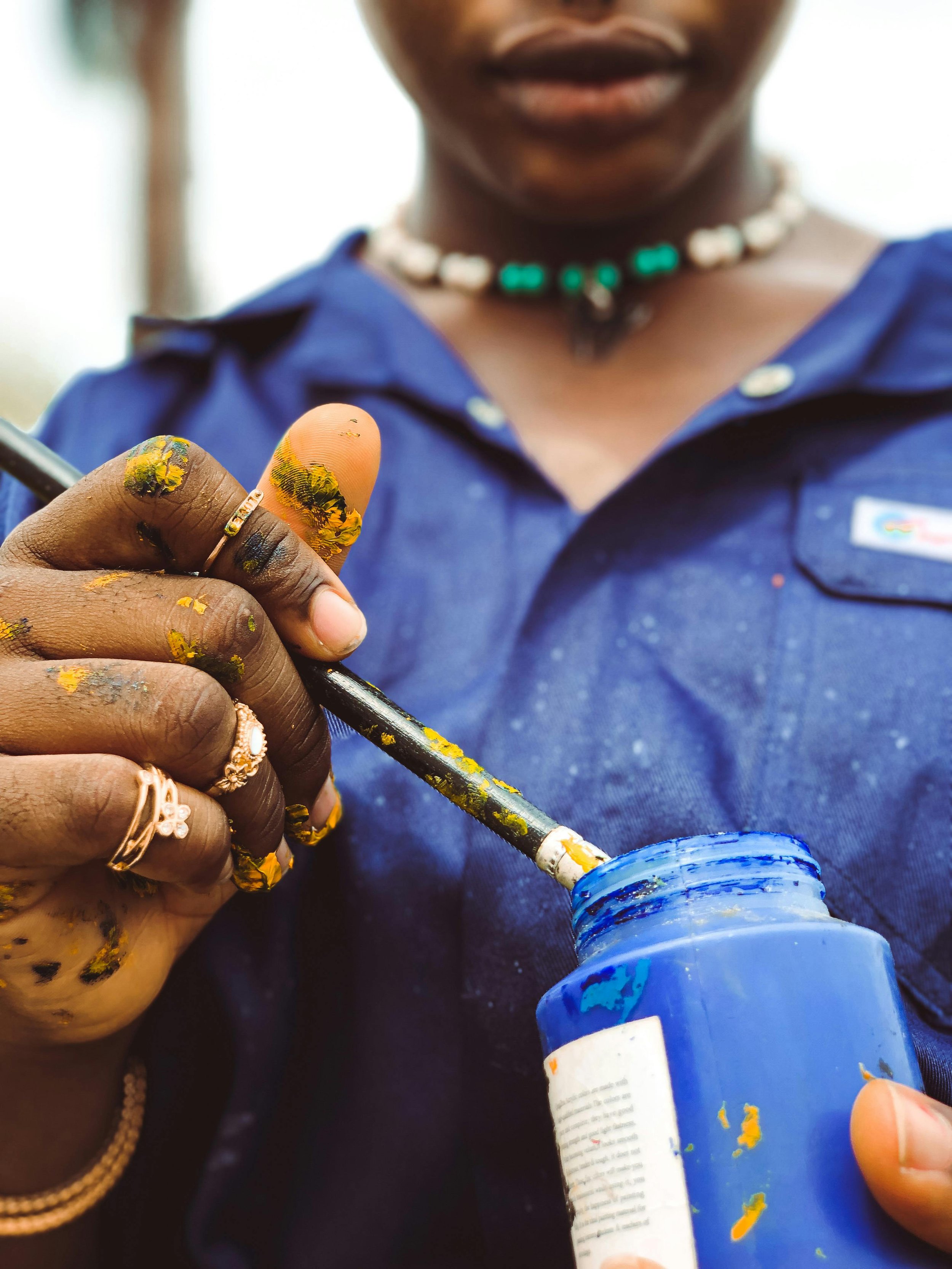
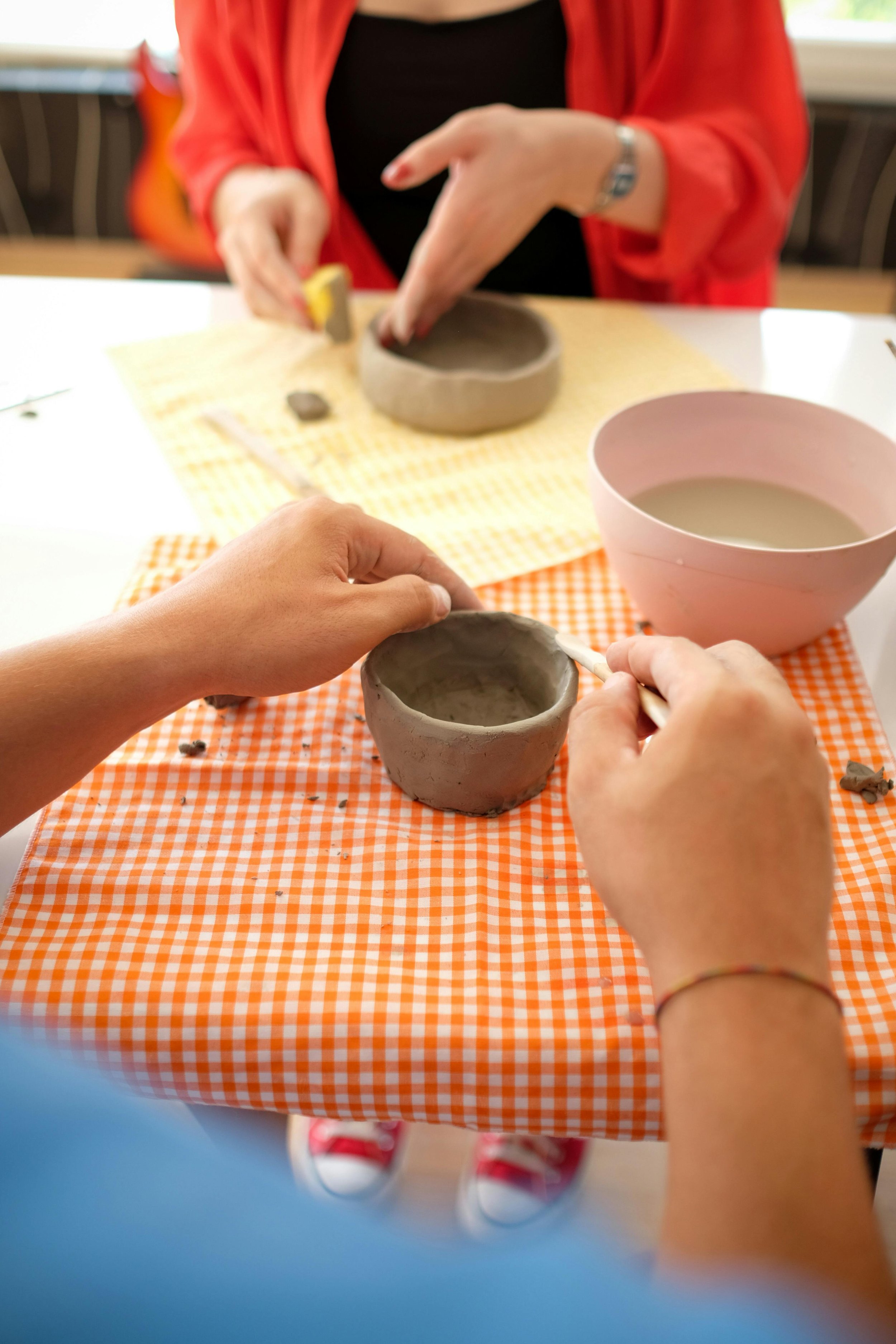
Creative expression using art materials such as drawing, painting, collage, clay, or mixed media
Exploring emotions, memories, or experiences through imagery and reflection
Supportive conversation at your pace
Unpackaging patterns, themes, as well as insights and realizations
Grounding and closure at the end of the session
Each session is adapted to meet you where you are emotionally and mentally. Some clients begin creating right away, while others need time to settle in and build comfort. Not every session includes art-making. Some sessions involve significant creative expression, while others rely more heavily on conversation, reflection, and processing. Art therapy creates space for both verbal and nonverbal ways of understanding and expressing experience.
Schedule an Adult Art Therapy Consultation
If you are struggling with grief, anxiety, depression, emotional overwhelm, or a major life transition, support is available.
You do not have to figure this out alone.
A free 20-minute consultation is a space to ask questions, share what you are experiencing, and explore whether art therapy feels like a good fit for you.

-
Art therapy for adults is a form of psychotherapy that uses creative expression alongside talk therapy to support emotional healing, self-understanding, and processing of life experiences. It is not about artistic skill—it is about using art-making as a tool to explore thoughts, emotions, grief, stress, and identity in a deeper way than words alone sometimes allow.
-
No, art therapy is not about talent, natural ability or artistic gifts, creativity level, or making “good” artwork.
Many adults who come to art therapy have not made art since childhood— that’s understandable for those who haven’t taken an art class or been in one since grade school.
Those who do not consider themselves creative at all may be surprised in art therapy, creativity does not depend on skill, talent, or gifts alone.
The focus is on expression, not performance. There is no right or wrong way to engage in the process.
-
Talk therapy primarily uses conversation as the main form of processing.
Art therapy integrates art, art making, and the creative expression into the therapeutic process, which can help access emotions and experiences that are difficult to put into words.
Many adults find that combining imagery, symbolism, and creative work with conversation allows for deeper emotional insight, especially when dealing with grief, trauma, anxiety, or overwhelm.
-
Adult art therapy may support individuals experiencing:
Grief and loss
Anxiety or chronic stress
Depression or emotional numbness
Trauma or difficult life experiences
Burnout and emotional overwhelm
Life transitions (divorce, relocation, career changes, caregiving stress)
Identity shifts or feeling “stuck”
Difficulty expressing emotions verbally
-
Sessions are collaborative and paced based on your comfort level. A typical session may include:
A brief check-in about how you’ve been doing
Exploring what feels most present or important that day
Creative expression using materials such as drawing, painting, collage, or mixed media
Reflection and conversation about the experience
Time for grounding and closure
You are never pressured to create art in a specific way or to share more than you feel ready to.
-
Adults seek art therapy for many reasons, including stress, burnout, grief, life transitions, or simply wanting a different way to process emotions. You do not need to be in crisis to benefit from art therapy.
This is an outpatient private practice setting, which means care is focused on ongoing, individualized support at a pace that feels sustainable for you. Some individuals may come to outpatient therapy after more intensive levels of care, such as IOP, PHP, or crisis stabilization services, while others begin here as their primary form of support.
Outpatient art therapy allows for deeper, longer-term emotional work, helping you process experiences, build coping skills, and support lasting emotional change over time.
-
That is completely understandable.
Many adults feel hesitant about art therapy at first, especially if they have not made art in a long time or do not consider themselves "creative." There is no expectation to be artistic or to know what you are doing.
The process is gentle, collaborative, and never forced. We move at a pace that feels comfortable and manageable for you. You are welcome to begin with conversation and gradually incorporate creative expression if and when it feels appropriate.
I am happy to introduce materials, demonstrate how they work, and help you explore different approaches. The goal is not to create "good" art, but to discover your own way of expressing, exploring, and making meaning through the creative process.
-
If you are feeling overwhelmed, emotionally stuck, disconnected, or simply looking for a different way to understand yourself and what you are going through, art therapy may be a good fit. A consultation can help you decide if it feels supportive for your needs.
Feel free to connect and book a complimentary 20 minute consultation.
-
You are welcome to schedule a free 20-minute consultation by email or phone to explore whether The 3 Brushes may be a good fit for you.
The consultation is a no-pressure opportunity to ask questions, share what you are looking for, and discuss potential next steps. Following your inquiry, I will provide available consultation times and scheduling options.
If calling, please leave your name, phone number, reason for reaching out, and the best times to contact you. I generally respond within 1–2 business days, typically during late morning and early afternoon hours.