What is Art Therapy?
Art therapy is a specialized form of psychotherapy for all ages and abilities
Many people have never heard of art therapy before seeking support. Others may have encountered art therapy in hospitals, intensive outpatient programs (IOP), partial hospitalization programs (PHP), residential treatment, schools, or community mental health settings and are interested in continuing services in an outpatient practice.
Some wonder whether art therapy is an art class, whether artistic skill is required, or how creative expression can be integrated into therapy.
Art therapy is a specialized form of psychotherapy that integrates creative expression with conversation to support emotional healing, self-understanding, and personal growth. Art therapists are trained mental health professionals who use art-making intentionally and clinically to help individuals explore thoughts, emotions, experiences, and relationships.
Art therapy recognizes that not every experience is easily expressed through words alone. Sometimes emotions are felt as images, memories, sensations, or experiences that are difficult to explain. Creative expression can provide another pathway for understanding, processing, and communicating what feels difficult to put into words.
How Does Art Therapy Work?
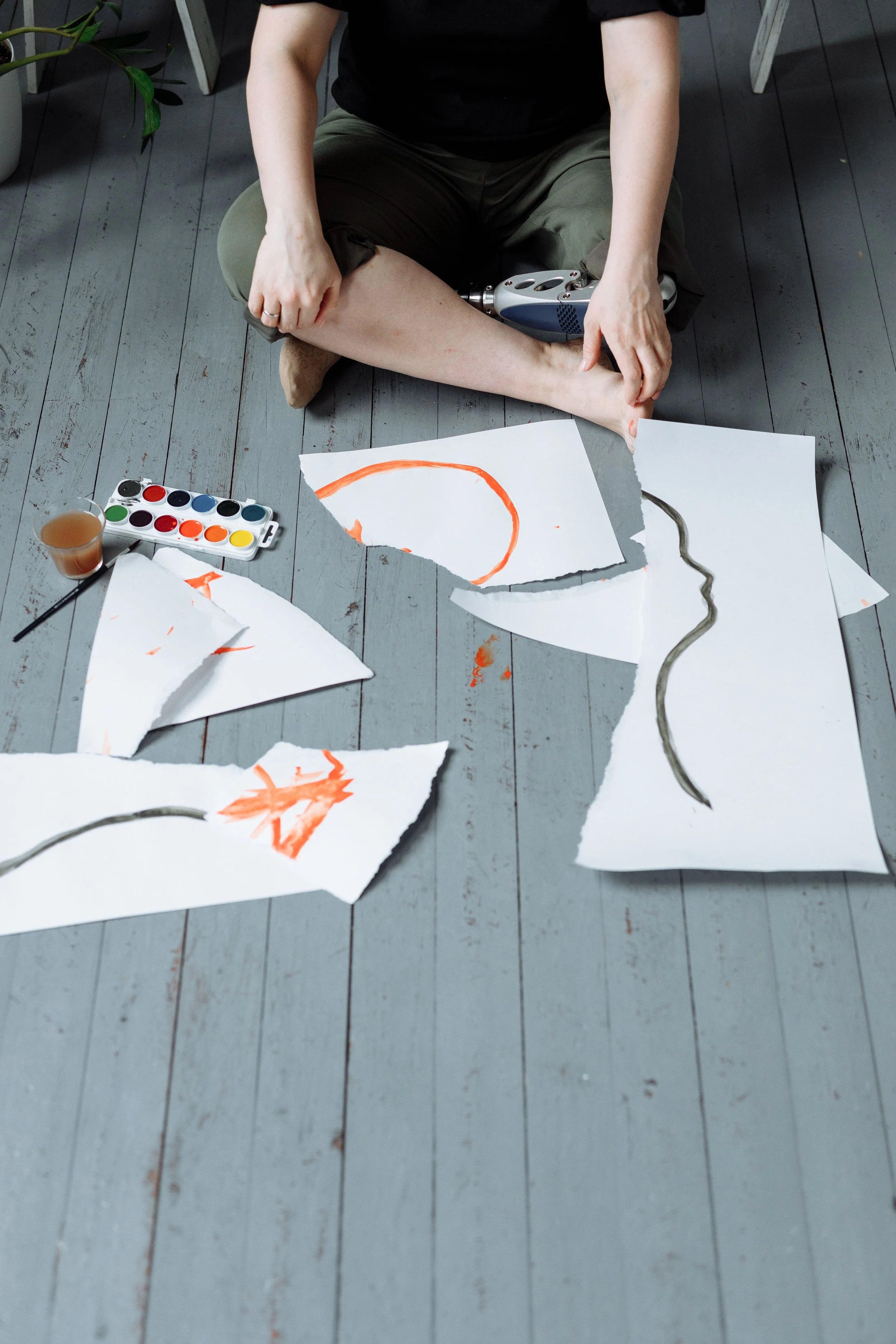
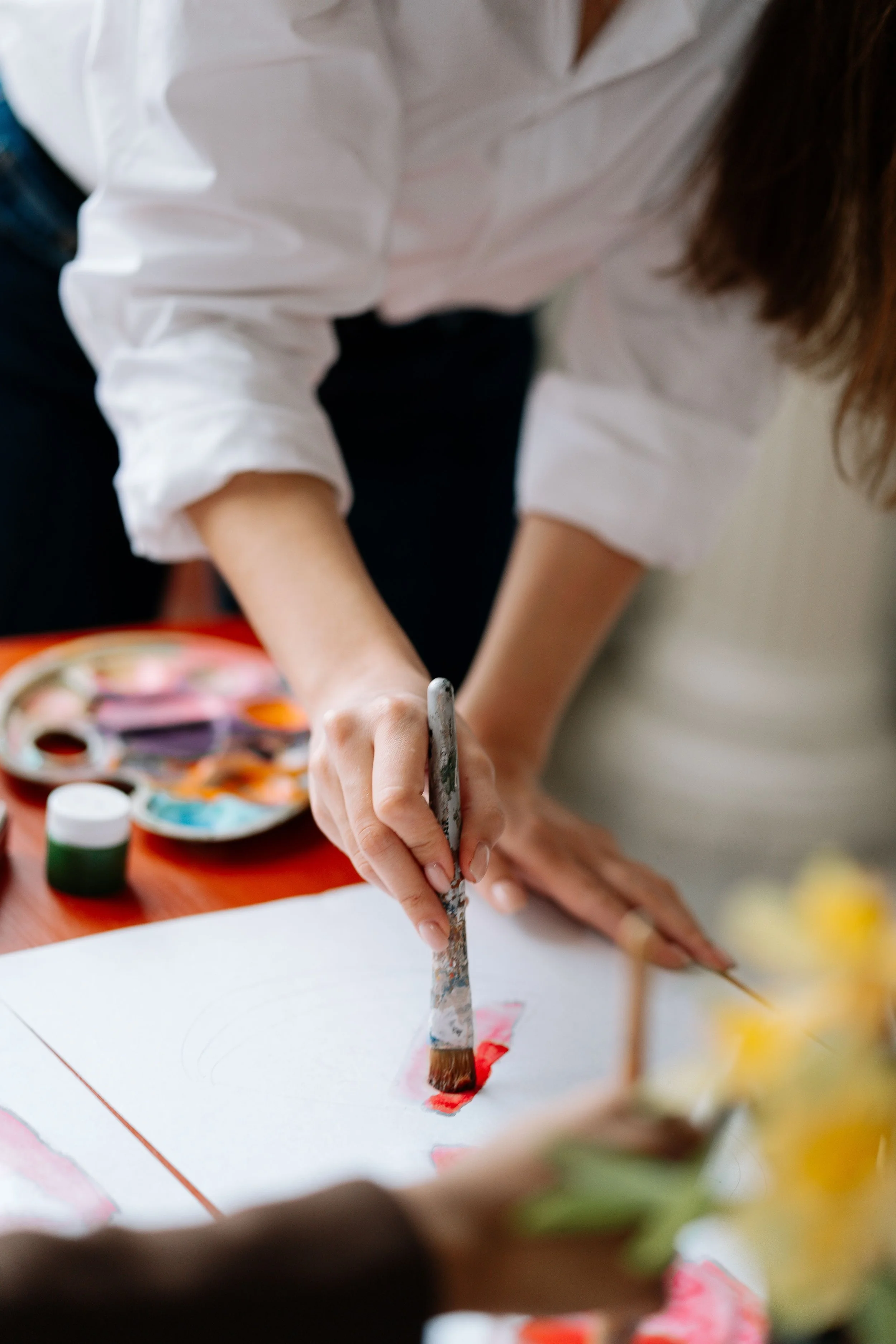
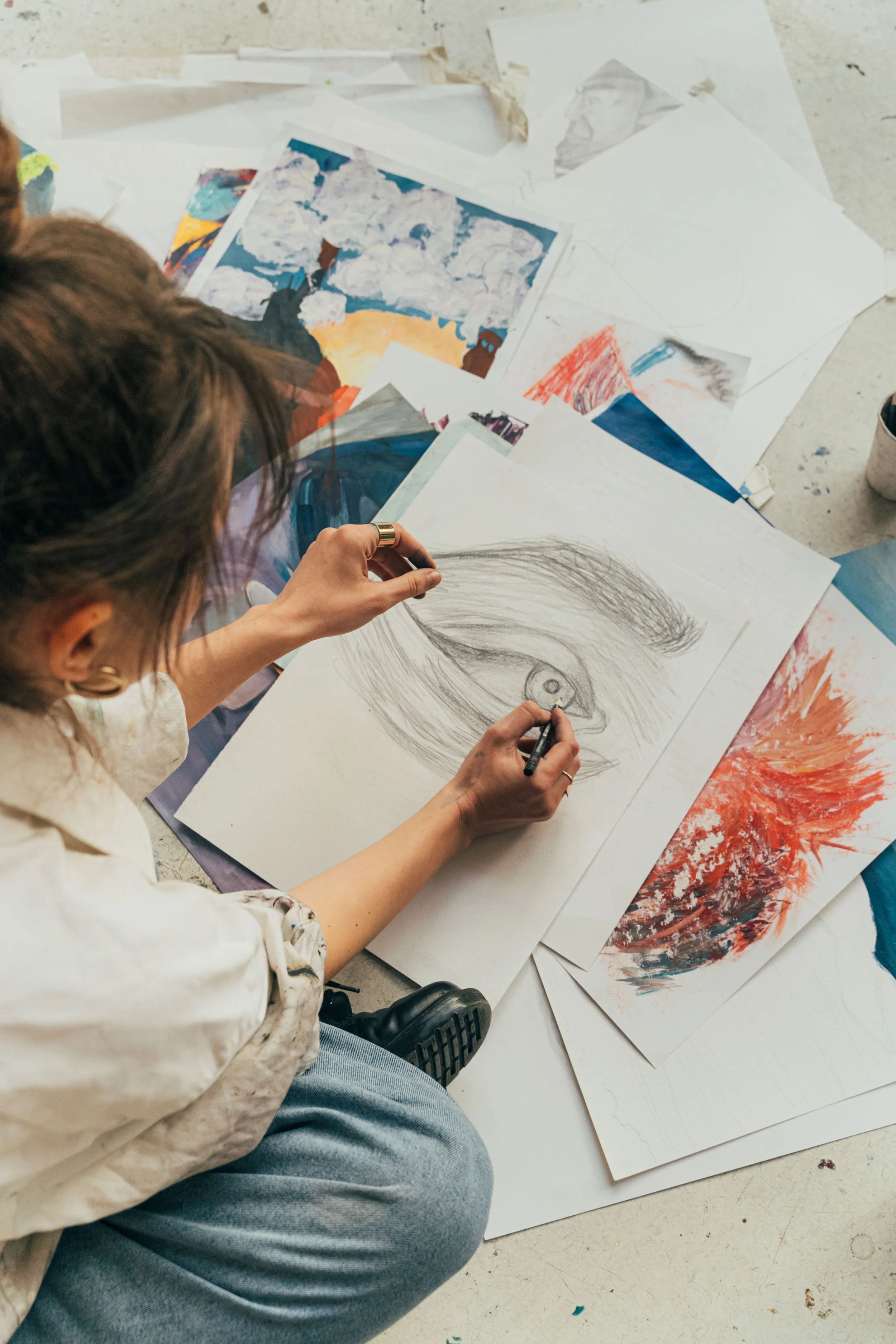
Art therapy combines therapeutic conversation with creative expression. The process may involve drawing, painting, collage, clay, mixed media, journaling, or other art materials depending on an individual's interests, needs, and goals.
The focus is not on creating "good" artwork or developing artistic skill.
Instead, art-making becomes a bridge and catalyst for:
Emotional expression and communication
Self-understanding, self-compassion, and insight
Emotional regulation, grounding, and coping
Processing grief, loss, trauma, and life transitions
Meaning-making, resilience, and personal growth
Greater awareness of patterns, themes, relationships, and concerns
Connection to oneself, others, and lived experience
Creative expression often helps bring awareness to experiences that may feel overwhelming, confusing, or difficult to articulate through conversation alone.
Do I Need Artistic Ability?
One of the most common misconceptions about art therapy is that artistic talent, skill, or formal art training is required.
Even stick figures, doodles, scribbles, marks, symbols, and writing your name are forms of mark-making. Mark-making is the foundation of visual language and expression.
If you can make a mark, you can make art!
Art therapy is not about artistic ability, technique, or creating artwork solely for display. The focus is on the creative process and what emerges through it. While the finished artwork may hold personal meaning and insight, the emphasis is on expression, exploration, and understanding.
Art therapy is more process-oriented than product-oriented.
Artistic experience is not necessary to participate meaningfully in the therapeutic process of art therapy. Curiosity, openness, and a willingness to engage with the process are often far more important than artistic skill.
Why Use Art-Making in Therapy?
Creative expression is a natural form of communication and meaning-making.
Art-making in art therapy can help individuals:
Slow down and reflect
Explore emotions within a supportive therapeutic environment
Organize complex thoughts and experiences
Access feelings that may be difficult to verbalize
Develop greater self-awareness and insight
Express grief, trauma, and life experiences through imagery, symbolism, metaphor, story, and other forms of creative expression
Process challenging life experiences that may feel overwhelming, confusing, isolating, or uncertain
Images, symbols, and creative expression can offer another way to explore experiences, emotions, and meanings that emerge during art therapy.
Who Benefits From Art Therapy?
Art therapy can support children, tweens, teens, and adults experiencing:
Grief and Loss
Trauma
Anxiety and Depression
Emotional Overwhelm
Life Transitions
Identity-related stress and change
Relationship challenges
Personal growth and self-exploration
Each person's experience is unique, and art therapy is tailored to individual needs, goals, and readiness.
What Happens During an Art Therapy Session?
Art therapy is flexible and collaborative, with each session guided by your individual needs, goals, experiences, and what feels most important at that time.
A typical art therapy session may include:
A brief check-in about how things have been since the previous session
Exploring thoughts, emotions, experiences, or concerns that feel present or important
Creative expression through drawing, painting, collage, clay, mixed media, journaling, or other materials
Guidance from your art therapist through prompts, directives, or discussion topics, depending on your treatment needs
Reflection on imagery, themes, emotions, memories, and personal meaning
Discussion and processing through supportive conversation
Grounding and transition before the session ends
Some sessions may include significant art-making, while others may focus more heavily on conversation, reflection, and emotional processing. Many sessions incorporate a combination of both.
There is no expectation to create "good art," share more than feels comfortable, or arrive at an insight or realization immediately. Therapy often unfolds at a pace that feels supportive, collaborative, and manageable.
What Qualifications Should an Art Therapist Have?
Art therapy is a specialized mental health profession that requires graduate-level education, supervised clinical training, and professional credentials.
When looking for an art therapist, consider their graduate-level education in art therapy, professional credentials such as ATR or ATR-BC®, and state licensure where required. Art therapy in Maryland is a licensed profession, with credentials including Licensed Graduate Professional Art Therapist (LGPAT) and Licensed Clinical Professional Art Therapist (LCPAT).

Meet Lindsay
I’m Lindsay Downs, the owner of The 3 Brushes, LLC, and a Licensed Clinical Professional Art Therapist and Board-Certified Art Therapist (LCPAT, ATR-BC®) with over 7 years of experience helping people heal on their terms and at their pace.
I offer in-person art therapy for children, teens, and adults in Gaithersburg and Montgomery County, Maryland, and I specialize in grief and loss.
My work supports children, tweens, teens, and adults navigating experiences that may feel too heavy, complex, or difficult to express.
Taking Next Steps
You do not need artistic experience, the “right” words, or to explain your experience. Art therapy offers a supportive space to explore your experiences through both creativity and conversation.
If you would like to learn more about whether art therapy may be a good fit, you are welcome to schedule a complimentary 20-minute consultation.