


ART THERAPY FOR CHILDREN & TWEENS
Providing art therapy for children and tweens in Gaithersburg, Maryland, who are navigating the challenges of growing up, grief and loss, anxiety, trauma, emotional overwhelm, and major life transitions.
When words are not enough, support is still possible.
Supporting Children & Tweens Through Growth & Change
When Everything Changed for Your Family
You are doing everything you can to support your child or tween, yet something still feels difficult. Perhaps they seem withdrawn, overwhelmed, easily frustrated, or unlike themselves. Maybe family life feels more stressful than it once did, and despite your best efforts, everyone seems to be carrying more than they can manage alone.
The world can feel less safe and predictable when a child or tween experiences grief, loss, trauma, or a major life change. There may have been a death in the family, a divorce, a move, a serious illness, challenges at school, a change in schools, or another significant transition. Or perhaps there is no single event to point to—only a growing sense that your child is struggling and that the usual ways of helping no longer seem enough.
You can see your child or tween struggling, yet the words to explain how they feel may not be there. The love is there. The support is there. The effort is there. Yet supporting a child or tween through emotional challenges while balancing your own responsibilities, worries, and experiences can feel exhausting, overwhelming, and uncertain at times.
You do not have to figure it all out on your own. Support is available for children and tweens as well as the adults who care for them.
Learn more about Art Therapy for Grief and Loss if your child or tween is experiencing bereavement, grief, or a significant loss.
What You May Be Seeing in Your Child or Tween
When children and tweens are struggling, it is often most visible at home and school—in their behavior, play, relationships, and reactions rather than in words.
You may notice:
Meltdowns, tantrums, or emotional outbursts that feel bigger than expected
Shutting down, withdrawing, or becoming unusually quiet
Difficulty separating from caregivers or increased attachment to comfort objects
More controlling, aggressive, or repetitive play
Increased worry, sadness, irritability, or frustration
Changes in sleep, mood, or daily routines
Difficulty focusing or concentrating at school, declining grades, or a loss of interest in subjects and activities they once enjoyed
Teachers expressing concerns about changes in behavior, participation, emotional regulation, or academic performance
Increased disciplinary referrals or behavioral concerns; for some families, this may feel unexpected for a child who is typically thoughtful, cooperative, or easy-going
Children ages 7–10 and tweens ages 11–12 are still developing the emotional and cognitive skills needed to understand and manage complex experiences. Events such as grief and loss, divorce, serious illness, moving, changing schools, or other major life transitions can feel confusing, frightening, or destabilizing to their sense of safety and security.
When emotions feel too big, children and tweens often communicate through behavior, play, imagery, and creativity long before they can put their experiences into words. What may look like acting out, withdrawal, or regression is often an attempt to express something they do not yet have language for.
The transition from childhood to adolescence can bring additional challenges. As puberty begins, changes that may seem small from the outside can feel overwhelming, unfamiliar, and difficult to navigate from within. New emotions, shifting friendships, growing independence, and questions about identity can make this stage of life especially complex when grief, loss, or other significant life changes are also present.
Why Support Matters Now
Hard experiences do not simply pass when a child or tween is left to carry them alone. Timely support can offer children and tweens a place to process what has happened and begin developing coping skills that may support them now and over time.
Early support is not about labeling your child or tween. It is about giving them help while the experience is still close enough to be worked through with care and support.
You do not have to wait until things get worse to reach out.
How Art Therapy Helps Children & Tweens
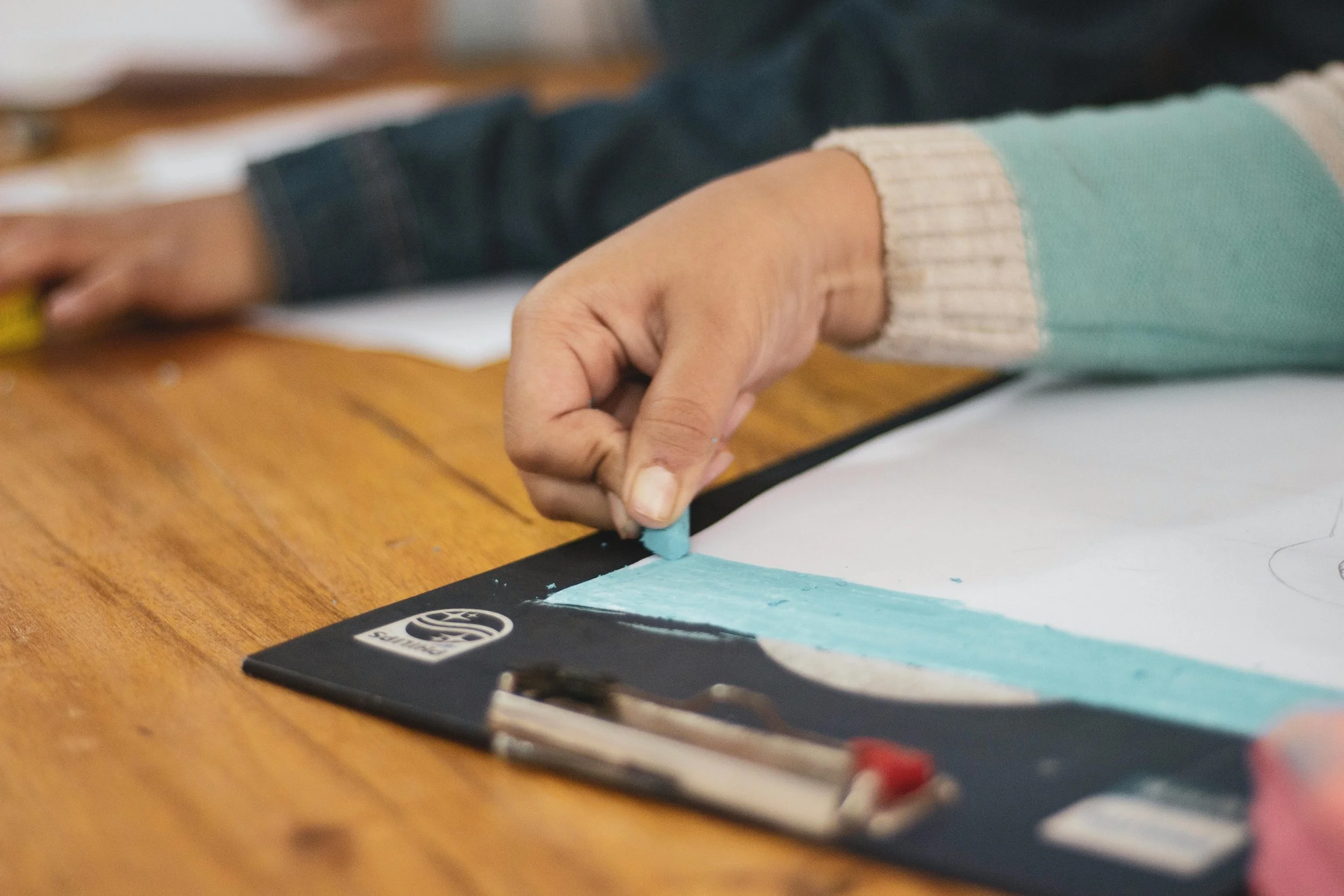
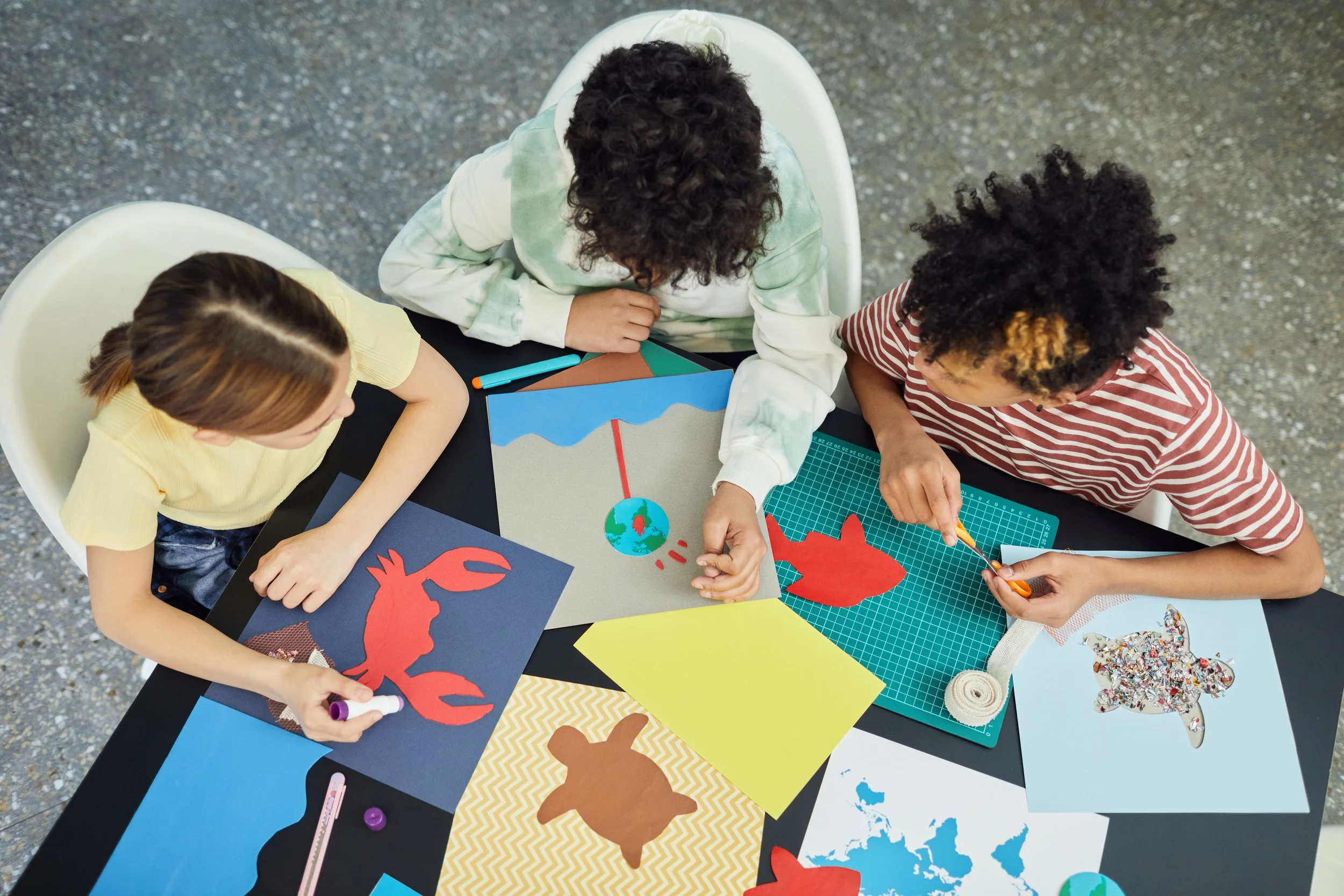
Art therapy gives children a way to express what they are carrying without the pressure of finding the right words. Through drawing, painting, clay, collage, sand tray, and creative play, children can explore emotions at their own pace and develop additional ways to express themselves and cope with difficult experiences.
It is never about making “good” art. It is about expression, meaning-making, and emotional safety inside a caring therapeutic relationship.
The 3 Brushes provides art therapy for children and tweens navigating grief, loss, anxiety, trauma, emotional overwhelm, and major life transitions.
New to art therapy? Learn more about What is Art Therapy? and how creative expression supports emotional healing, self-understanding, and growth.

Meet Your Child’s and Tween’s Art Therapist
Hello, I am Lindsay Downs, a Licensed Clinical Professional Art Therapist and Board-Certified Art Therapist (LCPAT, ATR-BC®) with over 7 years of experience helping children heal in their own language: art.
I offer in-person art therapy for children, teens, and adults in Gaithersburg and Montgomery County, Maryland, and I specialize in grief and loss.
Learn more about Art Therapy for Grief and Loss and how art-making can support children and families navigating bereavement, major life changes, and emotional overwhelm.
My work supports children navigating experiences that feel too heavy or complex for words alone, helping them reconnect with themselves, build emotional safety, and move at a pace that feels right for them.
Learn more about my approach, philosophy, and professional qualifications.
Begin Support for Your Child or Tween Today
If your child is struggling with grief, anxiety, emotional overwhelm, trauma, or a major life transition, support is available.
A free 20-minute consultation provides an opportunity to discuss your concerns, ask questions, and explore whether art therapy is a good fit for your child or tween.


FAQs
-
Art therapy may support children and tweens experiencing:
Grief and bereavement, including the death of a loved one, beloved pet, or service animal
Complicated, prolonged, or cumulative grief
Anxiety, sadness, or emotional distress related to loss, change, or uncertainty
Emotional overwhelm, frequent meltdowns, or difficulty regulating emotions
Trauma, stressful experiences, or feelings of unsafety
Family stress, divorce, separation, blended family adjustments, or other changes at home
Major life transitions, including moving, changing schools, or adjusting to a new community
Identity development, self-esteem concerns, and growing self-awareness
Struggles with self-worth, confidence, or feeling “different” from peers
Difficulty expressing thoughts, feelings, or needs verbally
Challenges with peer relationships, friendships, and social connection
Art therapy supports children and tweens by helping them:
Express emotions they cannot yet put into words
Process grief, loss, trauma, anxiety, or big life changes
Build emotional awareness and regulation skills
Feel understood in a different, nonverbal way
Develop healthy coping strategies over time
Many children experience relief simply from having a safe space where they do not have to “explain everything” to be understood.
-
A typical art therapy session may include:
A gentle check-in about how your child or tween has been feeling and what has been happening since the last session
Depending on their needs, we may begin with an art therapy prompt or directive connected to previous work, treatment goals, or current concerns
Many children and tweens choose to continue an ongoing art project or begin with what feels most important to them that day
Creative art-making using a variety of materials, such as drawing, painting, collage, clay, mixed media, and sensory-based approaches such as sand tray work, toy-based expression, and narrative play
Structured yet flexible support to encourage emotional expression, self-awareness, coping skills, and progress toward therapeutic goals
Exploration of emotions, thoughts, memories, and experiences through imagery, symbolism, storytelling, and play
Supportive reflection and conversation at a pace that feels comfortable and developmentally appropriate
Closing rituals that help children and tweens transition out of session feeling grounded, which may include final reflections, completing artwork, or cleanup together
Each child brings their own personality, strengths, experiences, and comfort level into the therapy space. Some children settle in quickly and are eager to create, while others need more time to build trust and feel comfortable. Sessions are always adapted to meet each child where they are emotionally, developmentally, and creatively.
-
Why choose art therapy instead of traditional talk therapy or play therapy?
Children and tweens often do not have the words to explain what they are feeling—especially during grief, anxiety, trauma, or major life changes. Even when they can talk, emotions are often expressed first through behavior, play, and creativity.
Art therapy provides a developmentally appropriate way for children to express what is happening internally without relying only on verbal communication. Through drawing, painting, collage, clay, and other creative methods, children and tweens can show what they feel in a way that feels safer and more natural for them.
-
Children and tweens are still developing emotional and cognitive tools to make sense of complex experiences. During this stage, big emotions can feel overwhelming, confusing, or hard to manage.
Art therapy meets children where they are developmentally by using creativity, imagery, and play as natural forms of communication. This allows them to process experiences in a way that feels more accessible and less pressured than direct conversation alone.
-
How is art therapy different from talk therapy?
While talk therapy focuses primarily on conversation, art therapy uses creative expression as part of the healing process. This can be especially helpful for children who have difficulty putting their thoughts and feelings into words.
Why is art therapy helpful for children and tweens?
For children experiencing grief, trauma, anxiety, or emotional overwhelm, talking alone may feel difficult or incomplete. Art therapy gives them another way to express what they are feeling through drawing, painting, and other creative materials.
Is art therapy the same as play therapy?
Art therapy and play therapy are different approaches, but they can overlap. Both recognize that children often communicate nonverbally.
Art therapy focuses on emotions, relationships, and experiences that may emerge through creative expression, storytelling, and symbolic themes—similar to how they appear in play.
-
Working with me is a collaborative and supportive process focused on helping children and tweens feel safe, understood, and not rushed or pressured.
Sessions are paced based on emotional readiness and may include both creative expression and conversation, depending on what feels most comfortable in the moment.
For children and tweens, sessions often include art-making, imagery, storytelling, and play-based exploration alongside gentle reflection and conversation.
Children and tweens do share their experiences verbally as well and use their words when they want to use them.
My role as an art therapist is to support clients through grief, anxiety, trauma, emotional overwhelm, and life transitions while helping build emotional safety, coping skills, and resilience over time.
-
You are welcome to schedule a complimentary 20-minute consultation by email or phone to explore whether The 3 Brushes may be a good fit for your child or your tween.
The consultation is a no-pressure opportunity to ask questions, share what you are looking for, and discuss potential next steps. Following your inquiry, I will provide available consultation times and scheduling options.
If calling, please leave your name, phone number, reason for reaching out, and the best times to contact you. I generally respond within 1–2 business days, typically during late morning and early afternoon hours.