


Grief Is Not Child’s Play
Children grieve too, even when they don't have the words to explain what they are experiencing. Grief and loss can show up through changes in behavior, play, relationships, routines, appetite, sleep, emotions, or even a child's fascination with death, illness, or darker themes. Understanding the bigger picture can help parents and caregivers recognize when a child may need additional support—and when something is simply part of being a kid.

To Rest: Grief and Loss Are Labor
Grief and loss take significant time, energy, and patience. Rest is part of that work—not as idleness or an escape from life, but as a slower, steadier way of making room for what is being carried. Explore physical, mental, emotional, and spiritual forms of rest and how choosing rest can become part of working through grief and loss.
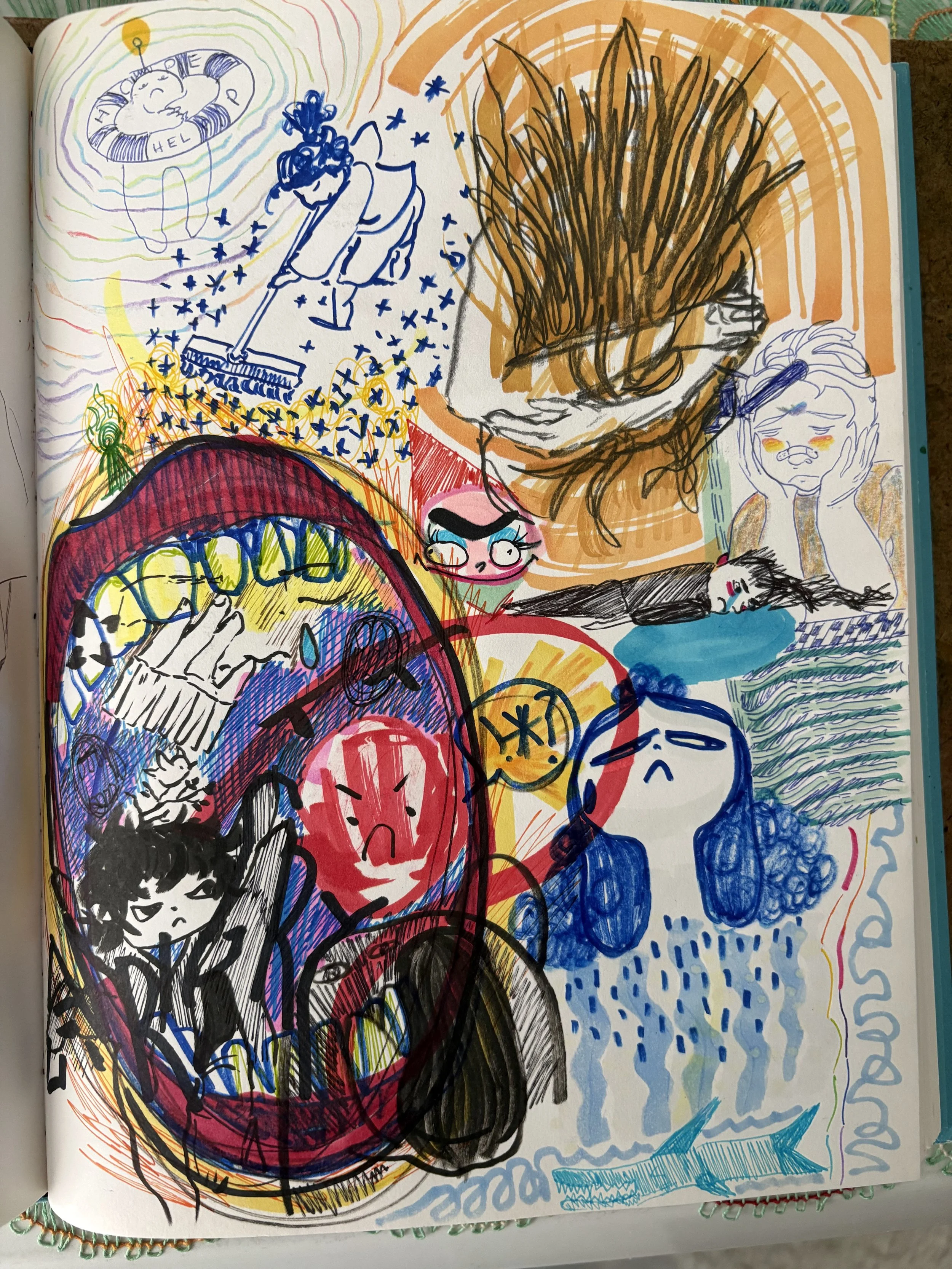
The Lost Stage of Grief: Purging
Grief rarely unfolds in a predictable or linear way. This essay explores the commonly recognized stages of grief through an art therapist’s lens and considers purging as a proposed phase of release, surrender, uncertainty, trust, and integration.
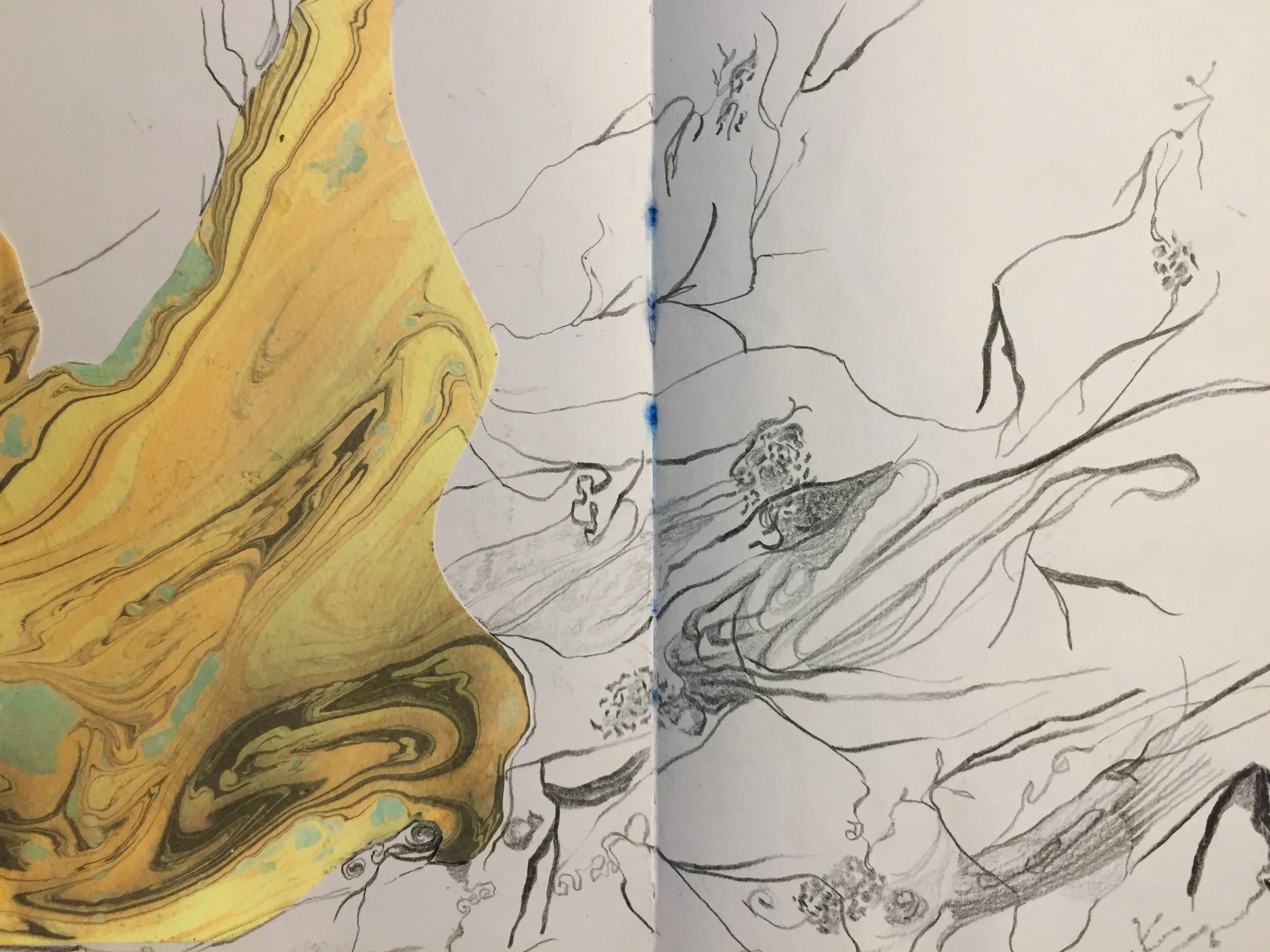
Art Speaks: The Language of Expression
Art materials do more than help us create an image—they offer feedback, invite reflection, and shape how we engage with the creative process. Explore how mark-making, visual language, and familiar materials such as watercolor, colored pencils, and pen can support expression, meaning-making, and self-awareness in art therapy.

Why Meaning Matters
Humans are natural meaning-makers. Through creativity, reflection, and lived experience, art therapy can help us explore grief, life transitions, identity, and emotional experiences that may feel difficult to express through words alone.

Understanding Grief and Loss
Understanding grief and loss begins with recognizing that grief extends beyond the death of a loved one. Explore how grief affects emotions, relationships, identity, and daily life, and how art therapy can provide support through creative expression, reflection, and healing.

Common Reasons People Seek Art Therapy for Grief and Loss
Grief is not always easy to explain through words alone. This post explores how art therapy supports grief and loss through creative expression, reflection, and meaning-making while complementing traditional talk therapy.

Why Grief Can Be Difficult To Put Into Words
Grief is not only emotional—it can also be physical, relational, and deeply sensory. When words feel limited or unavailable, creative expression can offer another way to explore and understand loss. This post explores how art therapy provides space for grief to be expressed through images, sensations, and symbolic meaning when language alone is not enough.

Art Therapy Outcomes In Grief and Loss
Art therapy is not about creating perfect artwork. It is a creative and therapeutic process that supports emotional expression, self-understanding, meaning-making, and healing. Explore common outcomes of art therapy for grief and loss and how growth can emerge through the creative process.
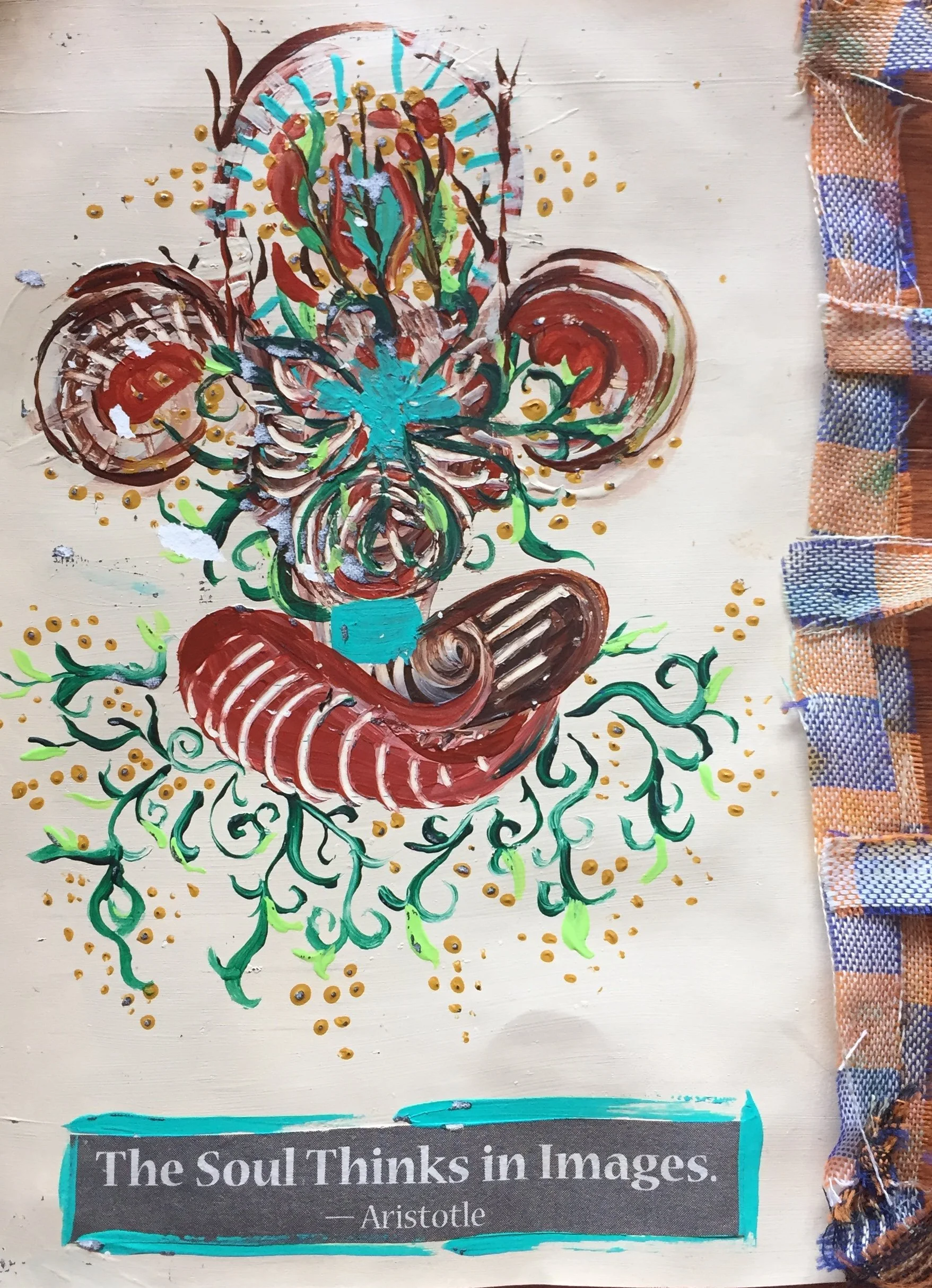
The Soul Thinks In Images
The soul thinks in images. Through art-making, thoughts, emotions, memories, and experiences can take form in ways that words alone cannot always capture. This reflection explores creativity as a language of expression, meaning-making, and connection to the inner self.
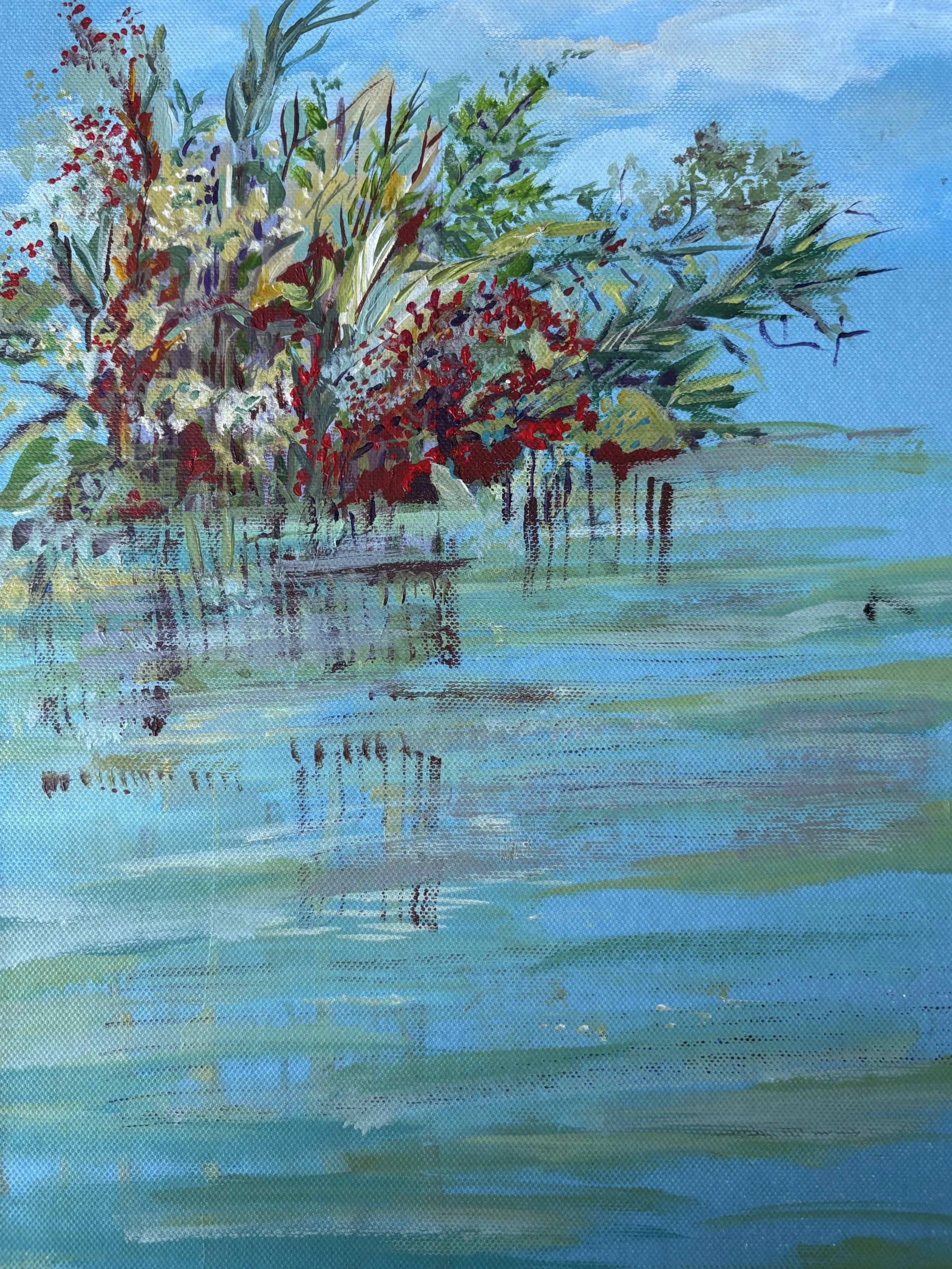
Why Art Therapy Matters
In art therapy, there is often a third presence in the room: the art itself. This reflection explores how creative expression can bridge what feels difficult to understand, offering opportunities for insight, emotional awareness, and meaningful change.
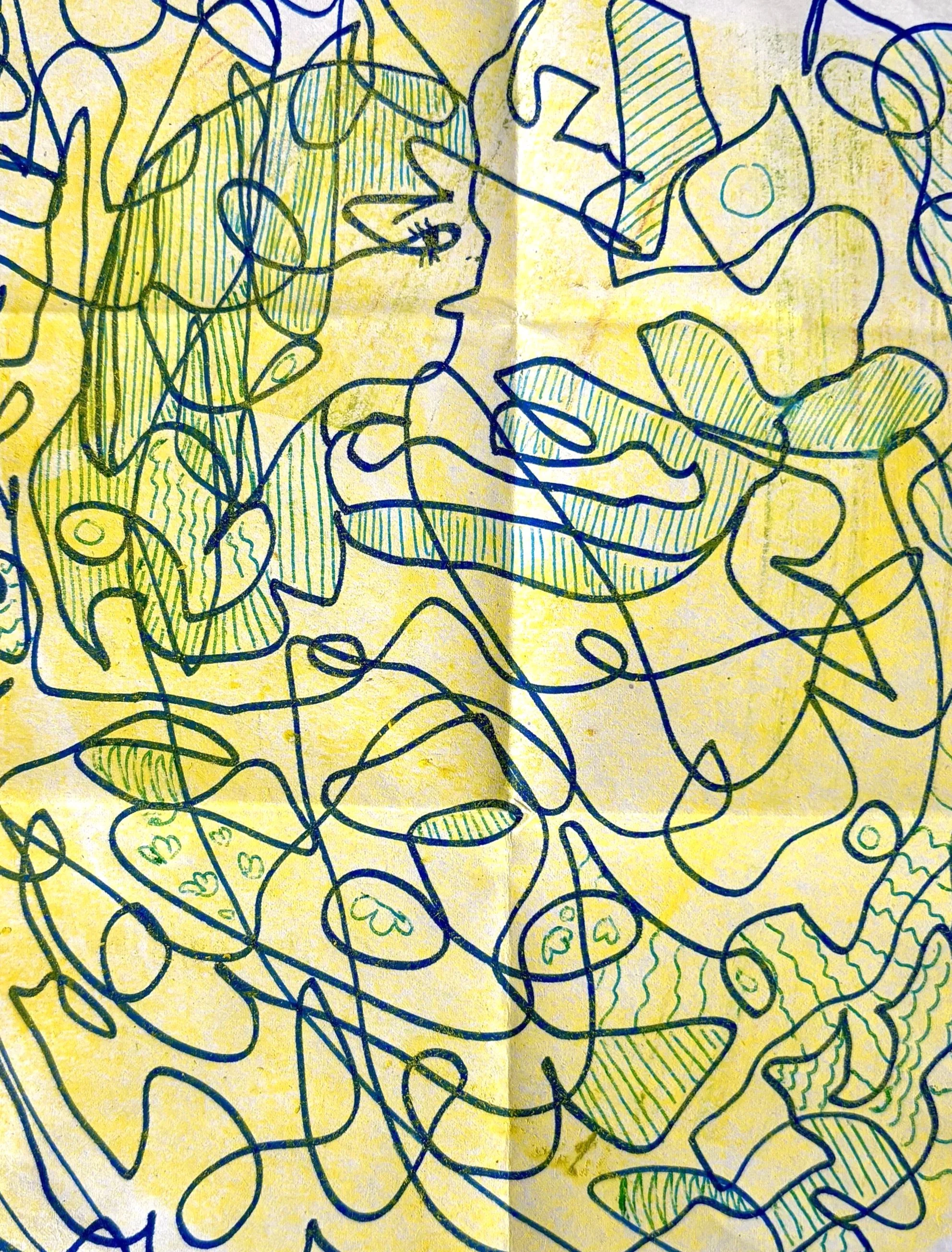
To Make Art Is To Respond
To make art is to respond. Through observation, reflection, experimentation, and creative expression, art offers a way to engage with what is felt, sensed, and experienced. This reflection explores the creative process as a practice of meaning-making, discovery, and connection.