


Grief & Loss Surrounding Spiritual & Religious Trauma
Spiritual and religious experiences can bring meaning, connection, and belonging, but they can also involve grief, loss, conflict, or harm. What happens when faith, spiritual practices, or a once-supportive community become sources of distress? This reflection explores spiritual and religious trauma, the complexities of questioning beliefs and identity, and the role of art, creativity, and authentic expression in navigating these experiences. Whether you remain connected to a faith community, are questioning your beliefs, or are finding a new sense of belonging, there is room to explore your experiences with curiosity and compassion.

The Haunted Hallows of Loss
Grief and loss are not solely about death, dying, and bereavement. Loss takes many forms, and grief can be complicated, mysterious, painful, bittersweet, and even absurd. Sometimes the work of grief is learning how to keep living while carrying what has been lost.

Grief Is Not Child’s Play
Children grieve too, even when they don't have the words to explain what they are experiencing. Grief and loss can show up through changes in behavior, play, relationships, routines, appetite, sleep, emotions, or even a child's fascination with death, illness, or darker themes. Understanding the bigger picture can help parents and caregivers recognize when a child may need additional support—and when something is simply part of being a kid.

To Rest: Grief and Loss Are Labor
Grief and loss take significant time, energy, and patience. Rest is part of that work—not as idleness or an escape from life, but as a slower, steadier way of making room for what is being carried. Explore physical, mental, emotional, and spiritual forms of rest and how choosing rest can become part of working through grief and loss.

When Summer Ends: Navigating Fall Transitions
When summer ends, returning to school, work, sports, and familiar routines can bring excitement, anxiety, relief, resistance, and grief—all at once. A reflection on fall transitions, changing seasons, and making space for whatever feelings arise.

What Lies Beneath the Grief?
What lies beneath grief? This reflection explores how grief may involve the brain, nervous system, body, attachment, and physical well-being while recognizing the limits of neuroscience and one-size-fits-all explanations.
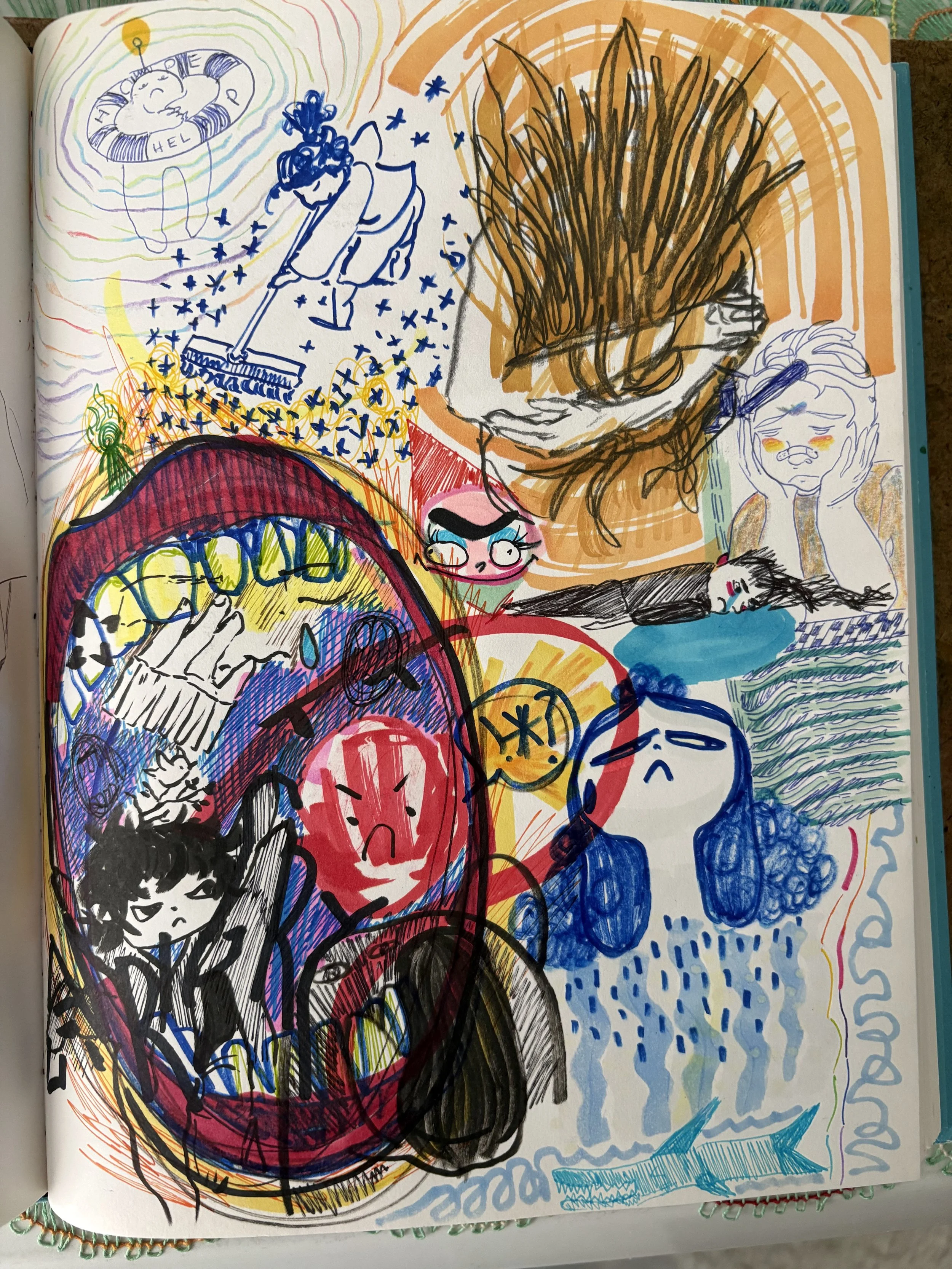
The Lost Stage of Grief: Purging
Grief rarely unfolds in a predictable or linear way. This essay explores the commonly recognized stages of grief through an art therapist’s lens and considers purging as a proposed phase of release, surrender, uncertainty, trust, and integration.

Why Meaning Matters
Humans are natural meaning-makers. Through creativity, reflection, and lived experience, art therapy can help us explore grief, life transitions, identity, and emotional experiences that may feel difficult to express through words alone.

It’s Complicated with Loss
Complicated grief is rarely tied to a single loss. Layered experiences such as caregiving, trauma, legal proceedings, relationship changes, and unresolved emotions can create a complex grieving process. This reflection explores how grief unfolds when loss becomes compounded over time.

Understanding Grief and Loss
Understanding grief and loss begins with recognizing that grief extends beyond the death of a loved one. Explore how grief affects emotions, relationships, identity, and daily life, and how art therapy can provide support through creative expression, reflection, and healing.

Common Reasons People Seek Art Therapy for Grief and Loss
Grief is not always easy to explain through words alone. This post explores how art therapy supports grief and loss through creative expression, reflection, and meaning-making while complementing traditional talk therapy.

A Father's Day Love Letter to Fathers and the Fatherless
For many, Father's Day is more than a celebration—it is also a reminder of loss, longing, and complex family experiences. This compassionate reflection explores the many faces of fatherhood, honors fathers and father figures, and offers support for those carrying grief during Father's Day and beyond.

Why Grief Can Be Difficult To Put Into Words
Grief is not only emotional—it can also be physical, relational, and deeply sensory. When words feel limited or unavailable, creative expression can offer another way to explore and understand loss. This post explores how art therapy provides space for grief to be expressed through images, sensations, and symbolic meaning when language alone is not enough.
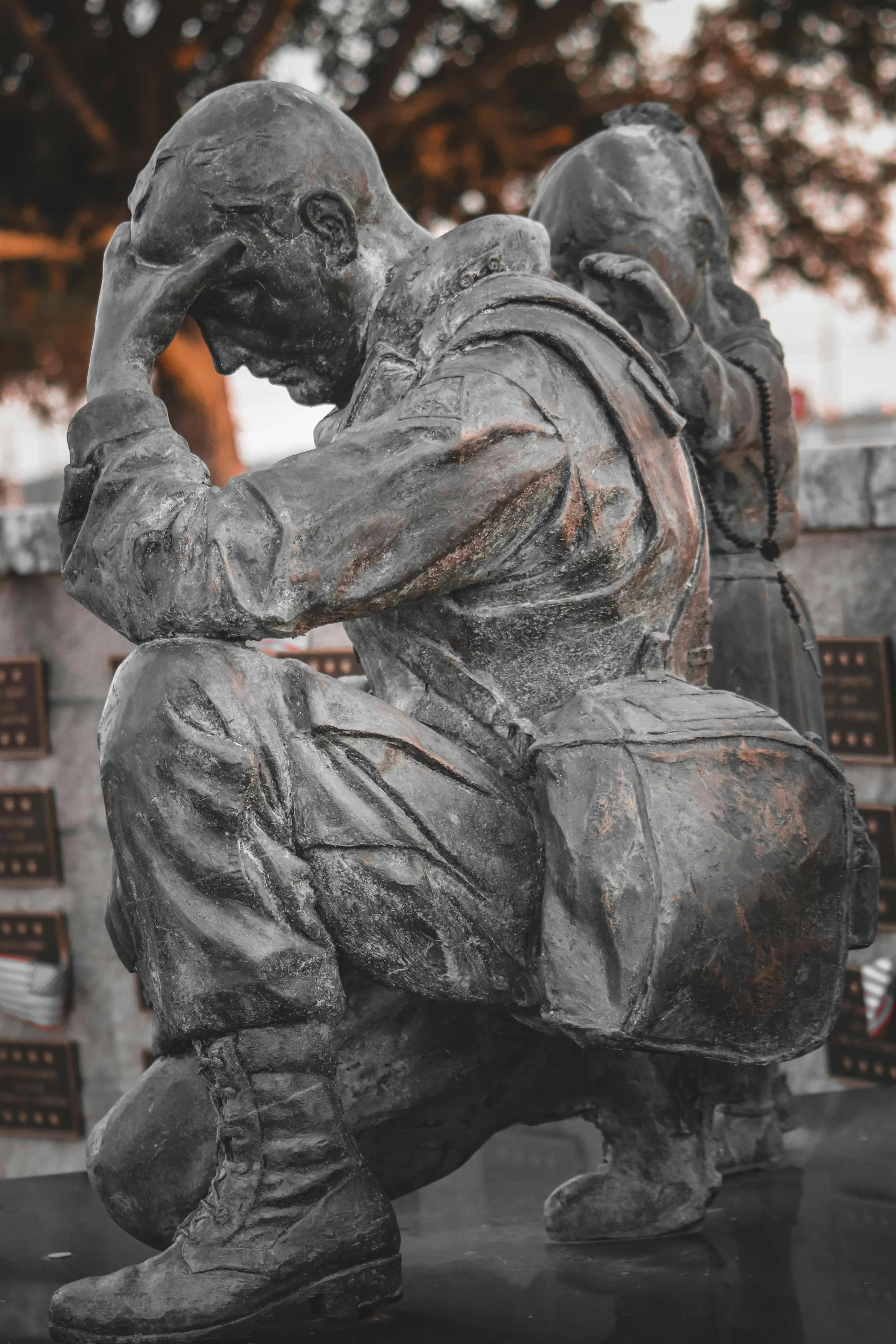
A Love Note For Memorial Day: A Reflection on Meaning and Memory of What We Hold Close
A reflective Memorial Day weekend blog that invites to pause and consider what it means to remember, preserve, and protect what is most meaningful in our lives. This brief reflection explores values, loss, resilience, and the quiet question of what makes life feel worth returning to each day. Readers are invited to consider what they hold most deeply—whether one thing or three—and to engage with meaning-making through gentle self-reflection and creative awareness.

Art Therapy Outcomes In Grief and Loss
Art therapy is not about creating perfect artwork. It is a creative and therapeutic process that supports emotional expression, self-understanding, meaning-making, and healing. Explore common outcomes of art therapy for grief and loss and how growth can emerge through the creative process.

How Art Therapy Helps Those Grieving Loss
Grief can feel overwhelming, confusing, and difficult to put into words. Art therapy provides a supportive space to process loss through creative expression, helping individuals explore emotions, build coping skills, and find meaning in their experiences.
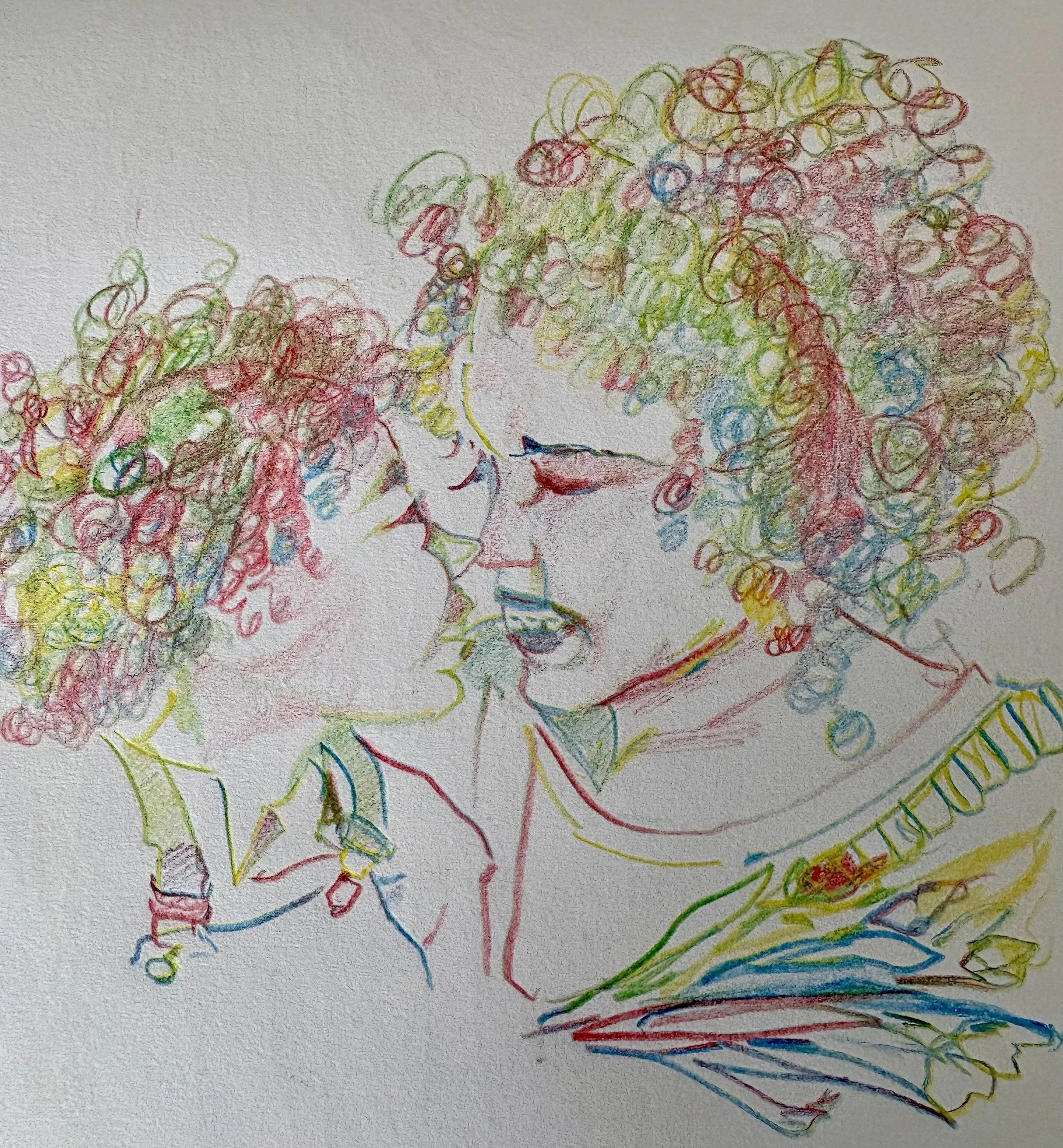
A Love Letter to Mothers and the Motherless
Grieving during Mother’s Day 2026 with a love letter. Honoring mothers and motherhood for those experiencing the loss of their mother during this time.
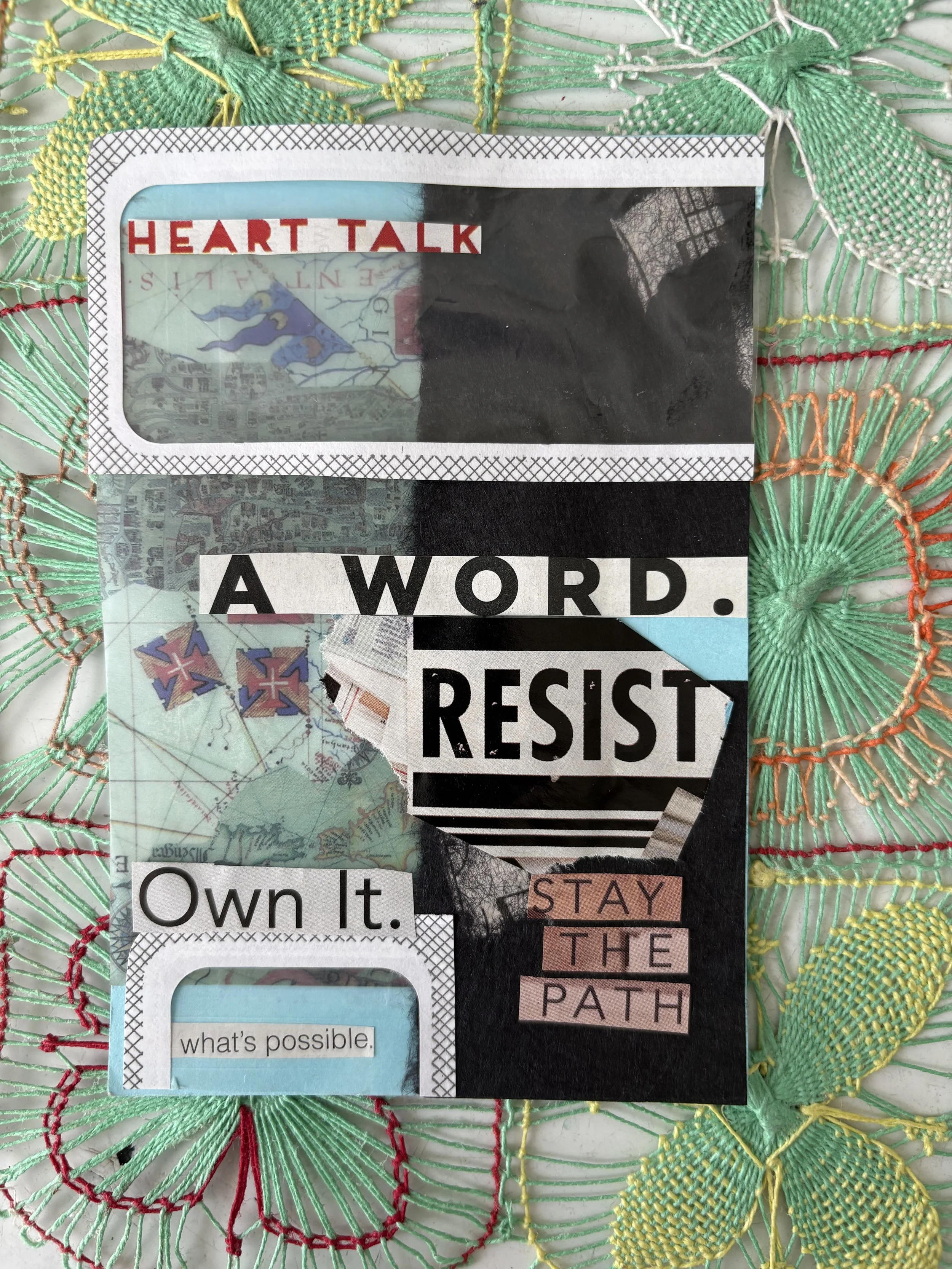
Forms of Change and Uncertainty
Change carries its own forms of grief. As life shifts and familiar realities give way to the unknown, uncertainty can feel unsettling and overwhelming. This reflection explores change, loss, and the possibility of finding meaning within life's transitions.
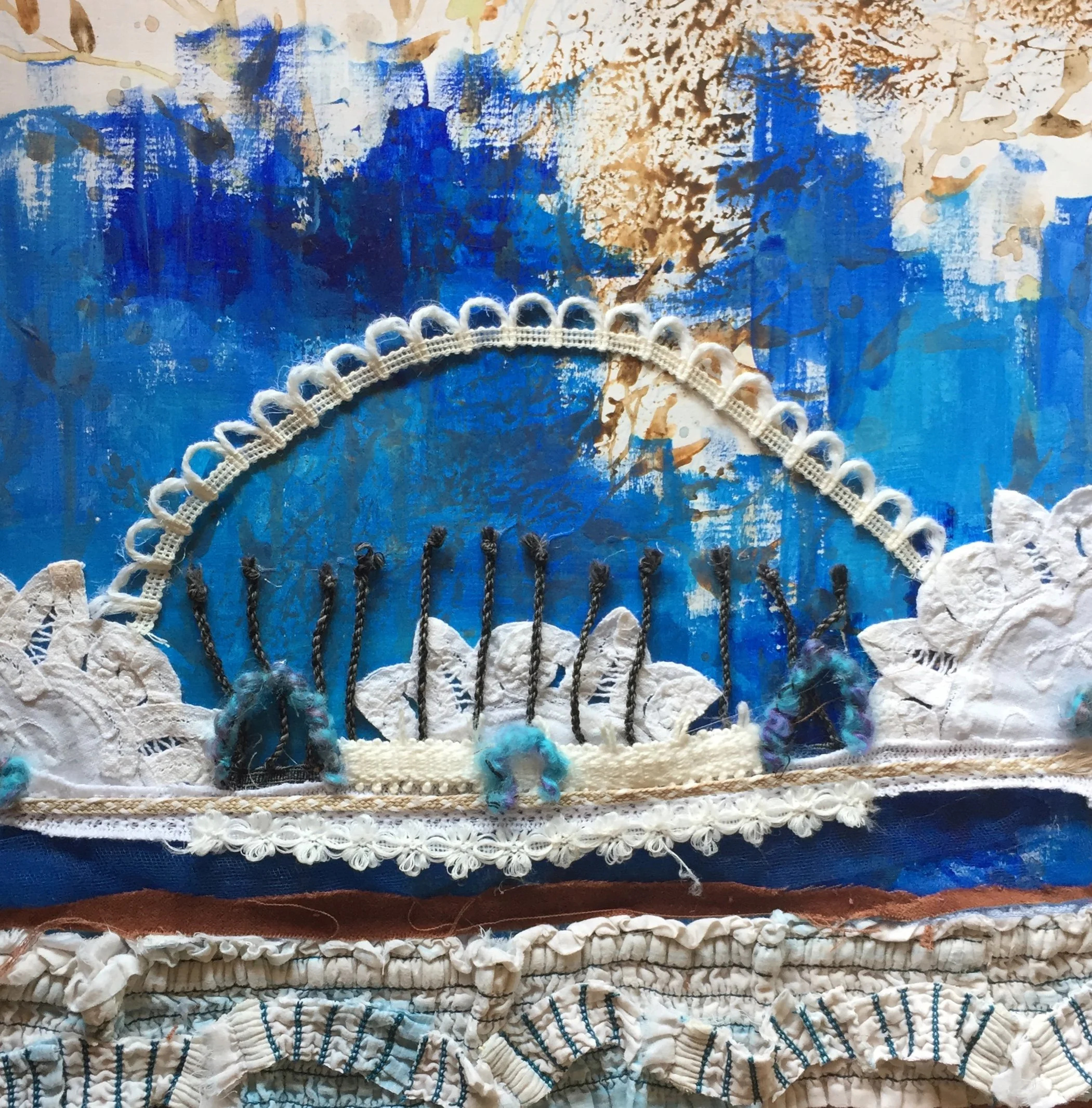
Not Everyone Cries At A Funeral
Not everyone cries at a funeral. Some people feel numb, overwhelmed, relieved, angry, or disconnected. This reflection explores the many ways grief can be experienced and why there is no right way to respond to loss.
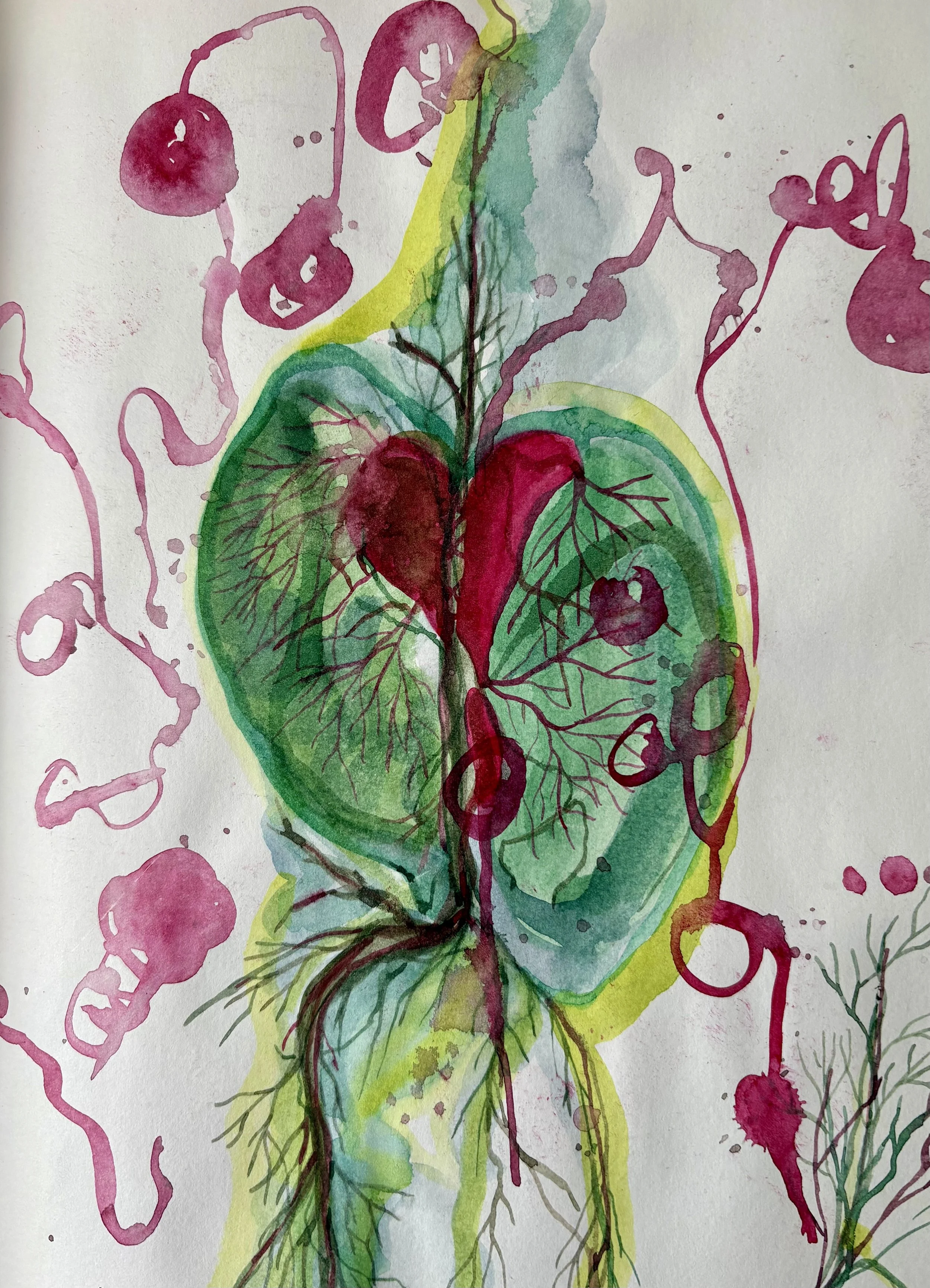
Grief Is A Resting Place
Grief asks much of us. It can leave us tired, overwhelmed, and emotionally depleted. This reflection explores grief as a resting place—a space for patience, presence, and restoration amid the demands of loss.les.