

Why Meaning Matters
Humans are natural meaning-makers. Through creativity, reflection, and lived experience, art therapy can help us explore grief, life transitions, identity, and emotional experiences that may feel difficult to express through words alone.

It’s Complicated with Loss
Complicated grief is rarely tied to a single loss. Layered experiences such as caregiving, trauma, legal proceedings, relationship changes, and unresolved emotions can create a complex grieving process. This reflection explores how grief unfolds when loss becomes compounded over time.

Common Reasons People Seek Art Therapy for Grief and Loss
Grief is not always easy to explain through words alone. This post explores how art therapy supports grief and loss through creative expression, reflection, and meaning-making while complementing traditional talk therapy.

How Grief and Loss May Present
Grief and loss can affect children, teens, and adults in deeply different ways, though many experiences overlap. Emotional overwhelm, anxiety, numbness, irritability, physical symptoms, withdrawal, or difficulty coping may all be part of how grief presents across different stages of life. This post explores common signs of grief in children, teens, and adults while offering compassionate understanding for the many ways people respond to loss, change, trauma, and emotional pain.

How Art Therapy Helps Those Grieving Loss
Grief can feel overwhelming, confusing, and difficult to put into words. Art therapy provides a supportive space to process loss through creative expression, helping individuals explore emotions, build coping skills, and find meaning in their experiences.
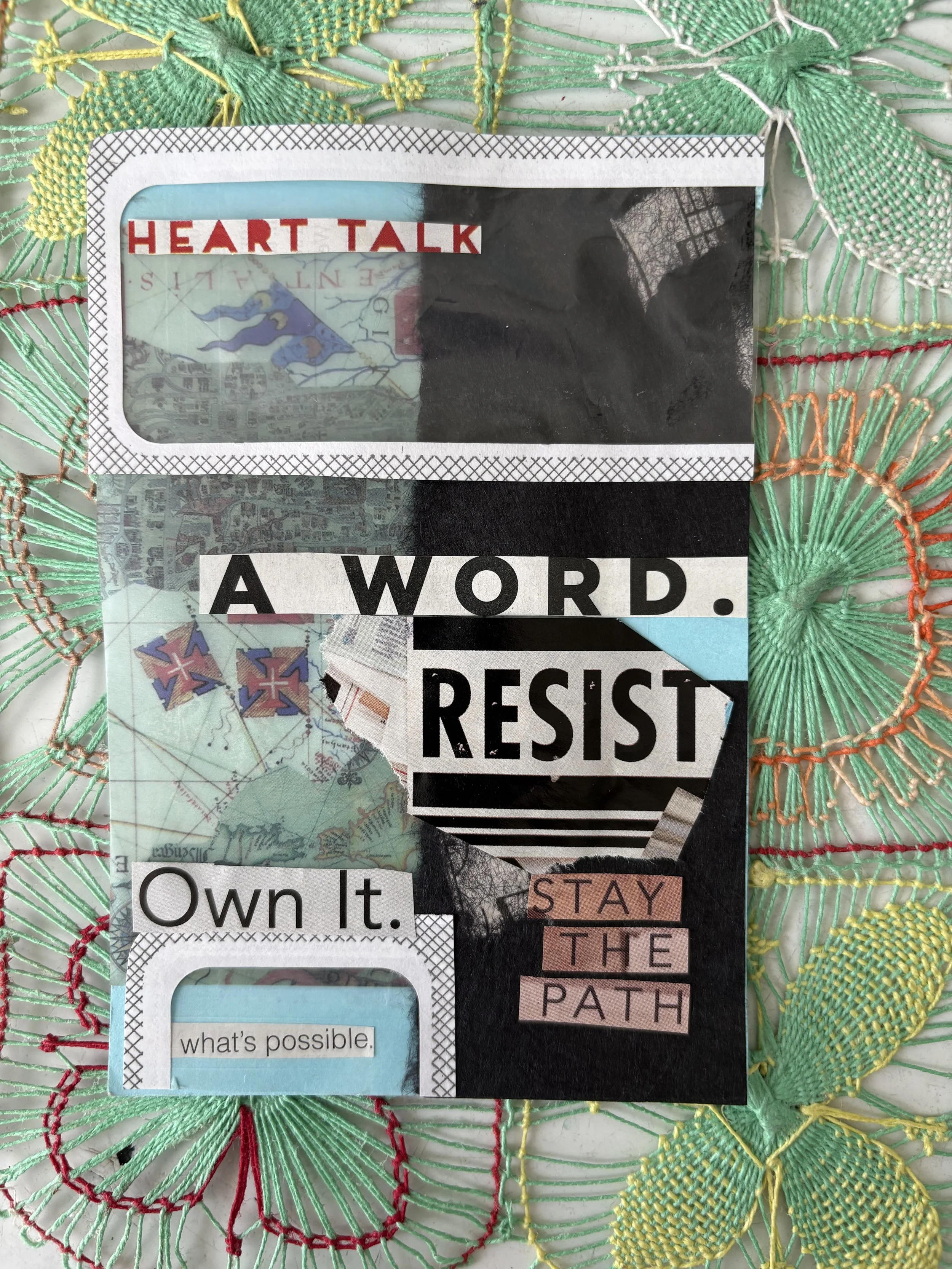
Forms of Change and Uncertainty
Change carries its own forms of grief. As life shifts and familiar realities give way to the unknown, uncertainty can feel unsettling and overwhelming. This reflection explores change, loss, and the possibility of finding meaning within life's transitions.
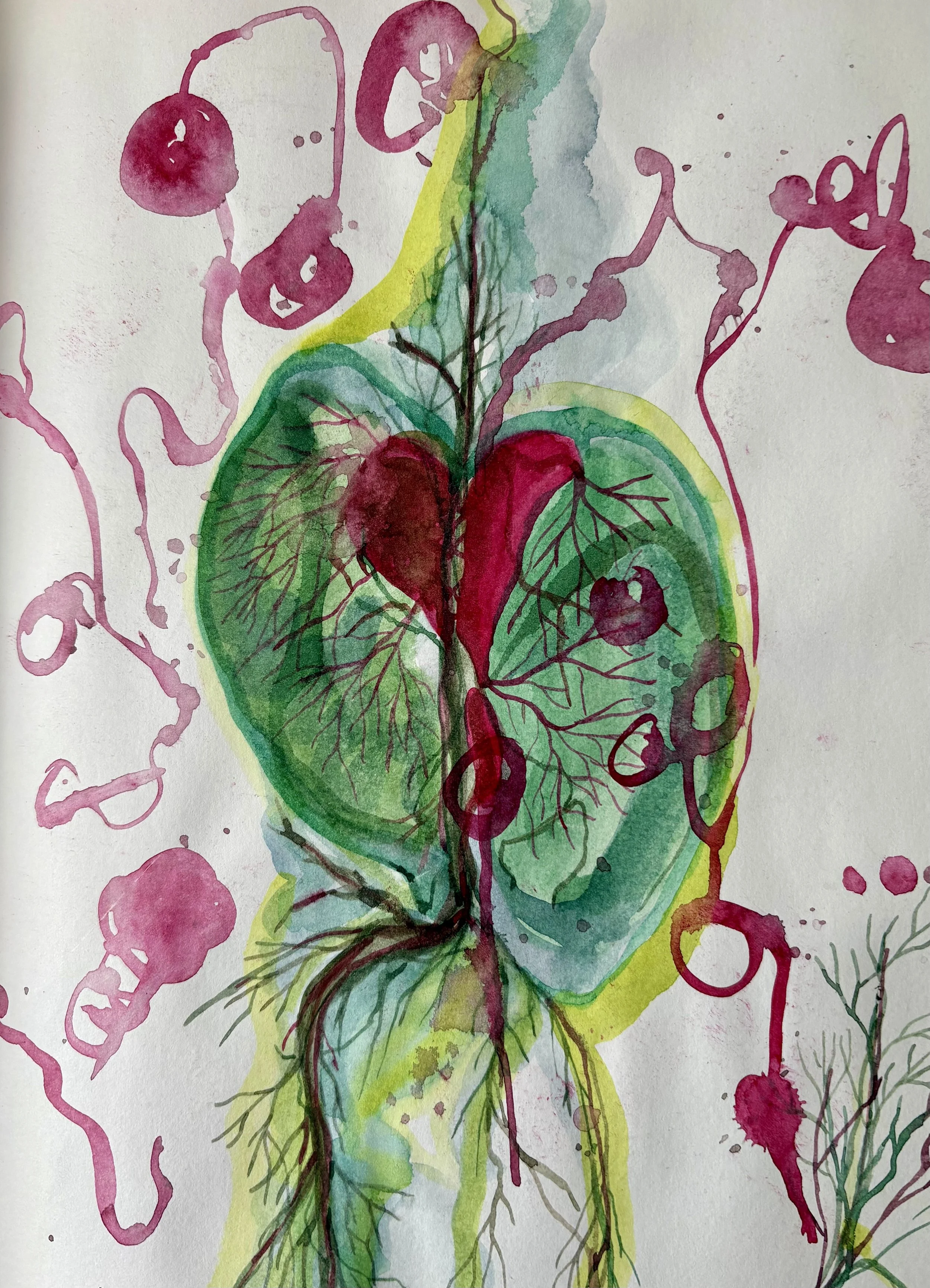
Grief Is A Resting Place
Grief asks much of us. It can leave us tired, overwhelmed, and emotionally depleted. This reflection explores grief as a resting place—a space for patience, presence, and restoration amid the demands of loss.les.
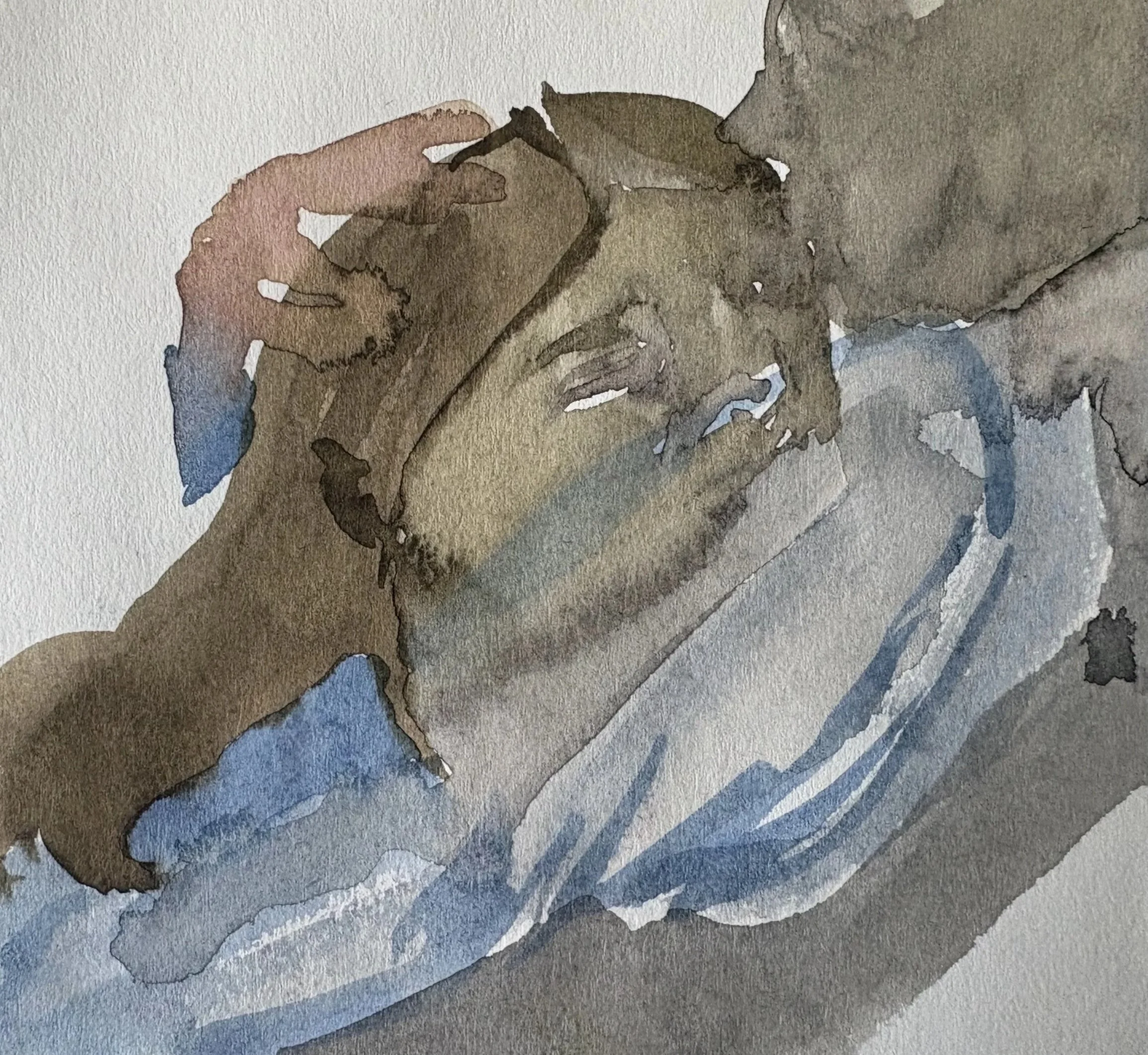
Sadness Is a Refining Emotion
Sadness is a refining emotion. It reveals what we value, what has been lost, and what continues to matter. This reflection explores sadness as a pathway toward healing, emotional expression, connection, and renewal.

Uncertainty Is About Surrender
Uncertainty is not about mastering control but learning to surrender to what cannot be fully known. Through reflections on growth, trust, and flexibility, this post explores how embracing uncertainty may create space for resilience, meaning, and personal transformation.